

How Consumers Buy Waterproof Bags: Influencing Purchase Decisions Through Color and Design
Oct 12, 2024
Leave a message
In today's increasingly competitive retail market, where product differentiation is key, understanding what influences consumer purchasing decisions is crucial for businesses. Waterproof bags, in particular, have seen rising demand due to their functionality and diverse uses in travel, outdoor activities, commuting, and fashion. But what really motivates consumers to choose one waterproof bag over another? Among the myriad of factors that sway buyers, color and design stand out as two of the most influential elements.
In this blog, we will explore how consumers buy waterproof bags, and more importantly, how brands can leverage color psychology and functional design to influence purchase decisions. By delving into consumer behavior, we can reveal how these aspects not only meet practical needs but also cater to emotional and aesthetic desires.

The Consumer Decision-Making Process for Waterproof Bags
Before diving into the specific roles of color and design, it's essential to understand how consumers approach the decision to buy a waterproof bag. The process typically involves several stages:
a. Identifying the Need
Consumers usually begin their buying journey by recognizing a specific need. For waterproof bags, this might stem from a variety of scenarios:
Travelers need durable, weather-resistant bags for storing gear and essentials.
Outdoor enthusiasts may require waterproof backpacks for hiking or camping trips.
Commuters might seek stylish yet functional bags that can withstand unexpected rain.
Fashion-conscious buyers could simply be drawn to the aesthetic appeal of these bags as a trendy accessory.
The need for protection from water damage is often the primary motivator, but for many, style and usability also play significant roles in the decision-making process.
b. Gathering Information
Once the need is identified, consumers typically move to the information-gathering stage. With the internet and social media providing endless product options, consumers are better informed than ever. They look for reviews, compare brands, and seek out recommendations from friends or influencers. During this stage, a bag's color and design often become noticeable factors, as they contribute to a brand's overall appeal and image.
c. Evaluating Alternatives
Consumers evaluate different products based on several criteria, such as price, quality, brand reputation, and aesthetics. In this phase, color and design play a significant role in determining whether a waterproof bag aligns with their personal preferences and needs. For many buyers, these visual and functional aspects can make the difference between choosing one product over another.
d. Making the Purchase Decision
After evaluating their options, consumers make a purchase decision based on a combination of rational and emotional factors. While the functionality of the bag (such as waterproof features, storage capacity, and durability) might fulfill their rational needs, the emotional appeal of a well-designed, visually pleasing product often seals the deal.

The Power of Color in Consumer Decision-Making
Color is one of the most immediate and impactful elements in consumer behavior. In fact, research shows that people make a subconscious judgment about a product within 90 seconds of initial interaction, and up to 90% of that assessment is based on color alone. For brands selling waterproof bags, understanding the psychology behind color can be a powerful tool in influencing purchasing decisions.


a. Color Psychology and Consumer Perception
Different colors evoke different emotions and perceptions in consumers, influencing how they feel about a product or brand. Some common color associations include:
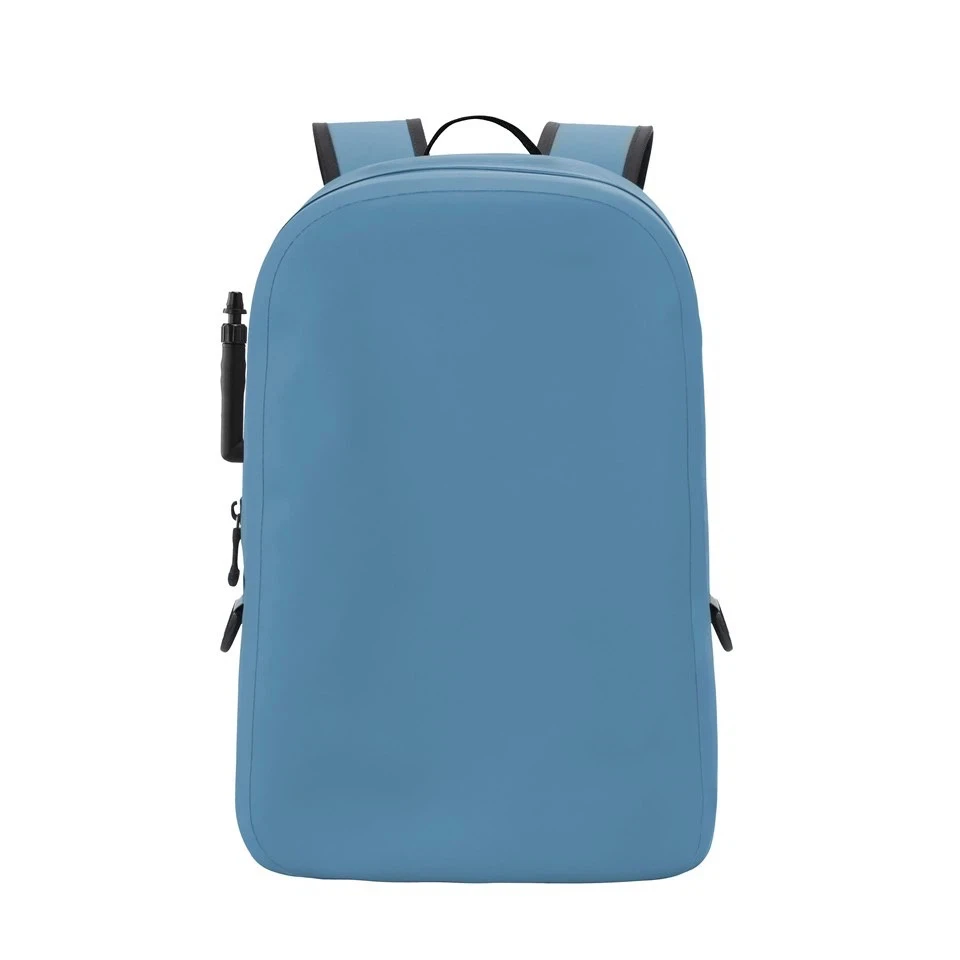
- Blue: Often associated with trust, reliability, and calmness. Waterproof bags in shades of blue can appeal to consumers who value dependability and functionality.
- Red: Known for its association with energy, passion, and urgency, red-colored bags can evoke a sense of excitement or adventure, making them appealing for outdoor enthusiasts.
- Green: Symbolizes nature, freshness, and sustainability. Green waterproof bags may appeal to environmentally-conscious consumers or those seeking a connection with the outdoors.
- Black: Conveys sophistication, elegance, and authority. A black waterproof bag might attract professionals or commuters looking for a sleek, modern design that's versatile for work and leisure.
- Yellow or Orange: Bright, cheerful colors that often signify optimism and creativity. These colors might appeal to younger, fashion-forward consumers who want to make a bold statement.
b. Cultural and Demographic Preferences
Color preferences can also vary significantly based on demographics and cultural factors. For example:
- Age: Younger consumers might gravitate towards bold, vibrant colors like neon green or bright yellow, while older consumers may prefer more classic, subdued tones like navy or beige.
- Gender: While gender preferences in color are not as rigid as they once were, certain patterns still exist. Men, for instance, often prefer cool colors like blue and green, while women might lean toward warmer tones like red or pink. However, unisex colors like gray and black can bridge these preferences.
- Cultural Influence: Different cultures associate certain colors with specific meanings. For example, in Western cultures, white is often associated with purity, while in Eastern cultures, it may symbolize mourning. Brands aiming for a global audience must consider these nuances when selecting colors for their waterproof bags.
c. Fashion Trends and Color Palettes
Fashion trends play a significant role in shaping consumer preferences for color. Each year, Pantone's Color of the Year influences the design industry, including bags and accessories. Whether it's a muted earth tone or a bold, electrifying shade, fashion-conscious consumers often seek bags that reflect current trends. Brands that can tap into these color trends can create a stronger emotional connection with consumers, making their products more desirable.

The Impact of Design on Purchase Decisions
While color might catch a consumer's eye, design is what holds their attention and converts interest into a purchase. Design in the context of waterproof bags includes both aesthetic appeal and functional features, both of which significantly affect consumer choices.
a. Functional Design: Meeting Practical Needs
For waterproof bags, functionality is paramount. Consumers expect the bag to effectively protect their belongings from water, but they also look for additional features that enhance usability:
- Compartments and Storage: Consumers often prefer bags with multiple compartments for better organization. Whether it's a separate section for a laptop or pockets for small items, the internal layout can be a key selling point.
- Size and Capacity: The design should accommodate the consumer's needs-whether they're looking for a compact daypack or a large waterproof travel bag.
- Waterproof Technology: From waterproof zippers to seam-sealed construction, the technical aspects of the design need to instill confidence in the consumer that the bag will perform in harsh conditions.
- Portability: Comfortable, adjustable straps and lightweight materials are crucial design elements, especially for commuters or travelers who carry their bags for extended periods.
b. Aesthetic Design: The Power of Visual Appeal
Beyond functionality, a waterproof bag's visual design plays a significant role in purchase decisions. Minimalist designs, for example, appeal to those who prefer understated elegance, while bold, patterned designs might attract a more adventurous, fashion-forward audience.
- Minimalist Designs: Simple, clean lines with minimal branding or embellishments often appeal to professionals or urban dwellers looking for a sophisticated, versatile bag that complements any outfit.
- Bold Patterns and Textures: For the more fashion-conscious buyer, bold patterns or unique textures, such as camo prints or geometric designs, can make a statement and reflect their personal style.
c. Customization and Personalization
Today's consumers are increasingly drawn to products that allow for personalization. Offering custom design options-such as monogramming or selecting color combinations-can set a brand apart from competitors and appeal to consumers seeking uniqueness. Customization not only increases the perceived value of the product but also fosters a deeper emotional connection between the consumer and the brand.
d. Sustainability in Design
Sustainability has become a growing concern for many consumers, especially in the fashion and accessories industries. Eco-conscious consumers are increasingly opting for products made from sustainable materials like recycled plastics, organic cotton, or biodegradable fabrics. Brands that incorporate environmentally friendly design elements into their waterproof bags can attract a loyal customer base that prioritizes ethical consumption. Additionally, emphasizing the durability of the product-ensuring it will last for years rather than needing frequent replacement-can also appeal to eco-minded consumers.
The Synergy Between Color and Design
While color and design individually impact consumer preferences, their combined effect can be even more powerful. The synergy between color and design creates a holistic product experience that resonates on both emotional and practical levels.
For example, a minimalist waterproof bag in sleek black not only conveys sophistication and professionalism but also signals durability and reliability. On the other hand, a brightly colored waterproof bag with fun patterns might appeal to a younger audience looking for a statement piece that is both functional and fashionable. By strategically aligning color and design, brands can target specific consumer segments more effectively.