


Cooler Bag Size Guide: Dimensions & Capacity Chart
Jul 02, 2026
Leave a message
Choosing the right cooler bag often feels overwhelming. You see 20L, 30L, or 40L options and wonder which one actually fits your needs. Too small and your ice packs crush the sandwiches. Too large and you end up lugging around a half-empty bag that weighs a ton.
This cooler bag size guide cuts through the confusion. It explains real dimensions, capacity realities, and how to match sizes to actual outdoor use. Whether you're packing for a solo hike, family picnic, or group camping trip, you'll find clear answers here.
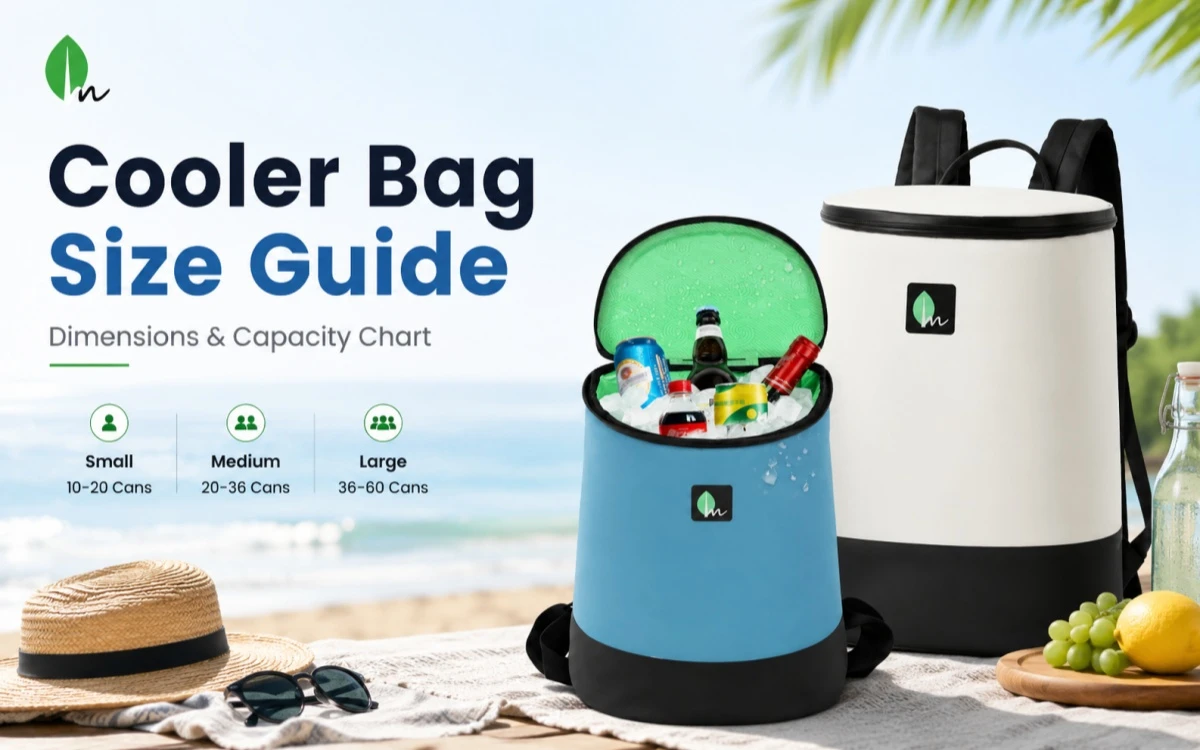
Why Cooler Bag Size Is More Than Just Liters
Cooler bag capacity marked in liters tells only part of the story. A 20L bag might hold 15–20 cans in perfect lab conditions, yet drop to 10–12 cans once you add ice packs, food containers, and snacks.
Real-world packing changes everything. Ice packs alone often take 15–25% of the usable space. Thick insulation for better cold retention further reduces internal room. Shape matters too-square interiors pack meal boxes efficiently while tall narrow designs work better for bottles.
The right cooler bag size balances your typical group size, trip length, carrying distance, and ice needs. Ignore any of these and you'll feel the mistake on your very next trip.
Cooler Bag Size Classification and Recommended Uses
Soft-sided cooler bags fall into clear capacity ranges. Each range serves distinct activities.
Mini & Personal Cooler Bags (5–10L)
These compact bags suit solo users. A 8L lunch cooler easily holds 2–3 meal containers plus a few drinks and a small ice pack. Commuters and hikers love them because they slip into backpacks or bike baskets without strain. Perfect for daily office lunches or short gym sessions.
Small Cooler Bags (10–20L)
The sweet spot for couples or solo day trips. A 15L bag comfortably carries lunch for two, several bottles, and enough ice for 6–8 hours. Beachgoers and weekend park visitors prefer this range for easy shoulder carry and quick access.
Medium Cooler Bags (20–40L)
Most families and small groups land here. A 30L cooler bag handles a full day outing for 3–4 people with food, drinks, and ice. Weekend campers and BBQ hosts rely on this size because it offers good capacity without becoming too heavy when full.
Large Cooler Bags (40–50L)
These work well for bigger groups or longer days. A 45L bag supports family road trips or group beach parties with room for multiple ice packs and layered food. Car campers especially appreciate the extra volume.
Extra Large Cooler Bags (50L+)
Best for multi-day adventures or commercial use. These hold serious quantities but demand stronger handles and often vehicle transport. Food delivery services and extended camping crews choose them when maximum capacity matters most.
Each size category performs best when matched to your most frequent activities rather than rare big events.

Detailed Dimensions & Capacity Comparison Chart
Understanding both external and internal dimensions prevents surprises. External measurements help with car loading and storage. Internal space determines what actually fits once insulation and lining take their share.
External vs Internal Dimensions Explained
External dimensions include the full outer shell. Internal dimensions measure usable space after accounting for insulation thickness. A bag with 3cm thick foam walls loses noticeable volume compared to thinner designs. Always check both when buying.
Full Size & Capacity Reference Table
| Capacity | Approx. External Dimensions (cm) | Approx. Internal Dimensions (cm) | Approx. Can Count (before ice) | Real Use with Ice & Food | Best For |
|---|---|---|---|---|---|
| 5–10L | 20–28 × 15–20 × 16–22 | 15–22 × 12–16 × 12–18 | 4–10 cans | 3–7 cans | Personal lunch, daily commute |
| 10–20L | 28–35 × 18–24 × 22–28 | 22–28 × 14–19 × 18–23 | 8–20 cans | 6–15 cans | Couples, beach day, short trips |
| 20–40L | 35–45 × 22–28 × 28–35 | 28–36 × 18–23 × 22–28 | 18–40 cans | 12–30 cans | Family picnic, weekend camping |
| 40–50L | 45–55 × 28–32 × 32–38 | 36–45 × 23–27 × 26–32 | 35–50 cans | 25–40 cans | Group outings, car camping |
| 50L+ | 55+ × 30+ × 35+ | 45+ × 25+ × 30+ | 45+ cans | 35+ cans | Multi-day trips, delivery |
All figures are approximate and vary by design, insulation thickness, and shape. Leave 15–25% space for ice packs in real use.
Capacity Conversion Guide & Ice Space Rule
As a rough guide, 1 liter holds about 1–1.5 standard 330ml cans before ice. Always plan for ice. For a full day in warm weather, reserve at least 20% of the volume for ice packs. This keeps drinks cold longer and protects food from crushing.
How to Choose the Right Cooler Bag Size
Key Decision Factors Checklist
- Number of people: Add 3–5L per extra person beyond basics.
- Trip duration: Short day trips need less ice volume than overnight stays.
- Carrying distance: Longer walks favor lighter 15–25L backpack styles.
- Ice requirements: Hot climates or long days demand bigger bags with more ice space.
- Food types: Bulky containers and bottles require wider internal dimensions.
Match the bag to your most common trips. Buying for one big annual event often leads to regret on regular outings.
Matching Cooler Bag Size to Real Adventures
Personal Lunch & Daily Commute
A 8–12L bag slips easily into a work backpack. It keeps your sandwich and drink cold until noon without extra bulk.
1–3 Person Picnic / Beach / Day Trip
Choose 15–25L. This size holds a meal for the group plus drinks and fruit while remaining easy to carry across sand or grass.
Family Weekend Outing & Light Camping
Go with 25–40L. Families of 4 can pack sandwiches, snacks, water bottles, and sufficient ice for the whole day plus evening drinks.
Group / Multi-Day Camping & Events
Larger 40L+ bags shine here. They support multiple ice packs for overnight cooling and handle the volume needed for group meals.
Different Types of Cooler Bags and Size Recommendations
Bag style influences ideal capacity.
Recommended Sizes by Cooler Bag Type
- Lunch Tote Bags: 5–15L – compact and easy to carry.
- Backpack Coolers: 15–30L – hands-free design works best under 30L to avoid shoulder strain.
- Waterproof Soft Coolers: 20–40L – ideal for fishing or boating where splashes happen.
- Rolling or Delivery Coolers: 40L+ – wheels handle heavy loads effectively.
FENGLINWAN specializes in durable waterproof versions that maintain performance across these categories.
How Size Affects Performance: Insulation, Portability & Durability
Larger bags can hold more ice for longer cooling periods, but only when packed correctly. A half-empty 40L bag loses efficiency fast because air circulates when opened. Smaller well-packed bags sometimes outperform bigger ones on short trips.
Portability drops as size increases. A 15L bag with wide shoulder straps feels comfortable for 2km walks. The same distance with a fully loaded 45L bag becomes tiring.
Reinforced bottoms and handles become essential above 30L. Waterproof welded seams and heavy-duty fabrics add durability that justifies slightly higher investment for frequent outdoor users.
Dimensions vs. Capacity: What Buyers Should Know
External dimensions guide storage and transport planning. Internal dimensions determine daily satisfaction. Thick insulation improves cold retention but shrinks usable space.
Square shapes maximize meal box packing. Tall designs favor bottled drinks. Consider your typical load-mixed food and drinks usually perform best in balanced proportions.
Guide for Brands and Bulk Buyers
Business buyers face different priorities. Promotional gift orders work well with 5–15L sizes for cost efficiency and logo visibility. Outdoor retailers often stock 20–40L models as they cover most family and weekend needs.
Food delivery services prefer 30L+ with easy-clean linings and strong structure. Larger sizes increase material and shipping costs, so balance volume against logistics realities. Custom orders should specify both external and internal dimensions plus target real-world capacity.
Quick Self-Measurement Guide: Calculate Your Needs
- List your typical group size and trip length.
- Estimate drinks and food volume needed.
- Add 20% minimum for ice packs.
- Factor in carrying method and distance.
- Choose the smallest bag that meets these requirements comfortably.
This simple process prevents most sizing mistakes.
Frequently Asked Questions (FAQ)
How many cans fit in a 20L cooler bag?
Roughly 12–20 cans before ice. With proper ice packs and food, expect 10–15 cans in comfortable real use.
Does a bigger cooler bag always stay cold longer?
Not automatically. Larger capacity helps only when you use enough ice and avoid frequent opening. Proper packing matters more than raw size.
What size cooler bag is best for family picnics?
Most families find 25–35L ideal. It offers enough room without becoming difficult to carry.
How do external and internal dimensions differ?
External tells you overall fit for cars or shelves. Internal reveals actual packing space after insulation.
Are waterproof cooler bags suitable for multi-day trips?
Yes, especially 30L+ models with thick insulation and strong seals when used with sufficient ice packs.
Conclusion
Cooler bag size selection comes down to understanding real dimensions, leaving space for ice, and matching capacity to your actual adventures rather than chasing maximum liters. The right choice makes every outdoor trip smoother and more enjoyable.
Ready to find your perfect cooler bag? Explore FENGLINWAN's range of waterproof outdoor cooler bags designed for real-world performance. Contact our team for custom sizing recommendations or bulk inquiries tailored to your needs.