


The difference between EVA and plastic: everything you need to know
Nov 12, 2025
Leave a message
In modern manufacturing and product design, materials like EVA and plastic play essential roles across industries-from packaging and footwear to waterproof bags and protective cases. However, many people still wonder: Is EVA the same as plastic? What makes it different?
This article provides a comprehensive overview of how EVA differs from traditional plastics in composition, structure, and performance, helping you better understand their characteristics and typical applications.
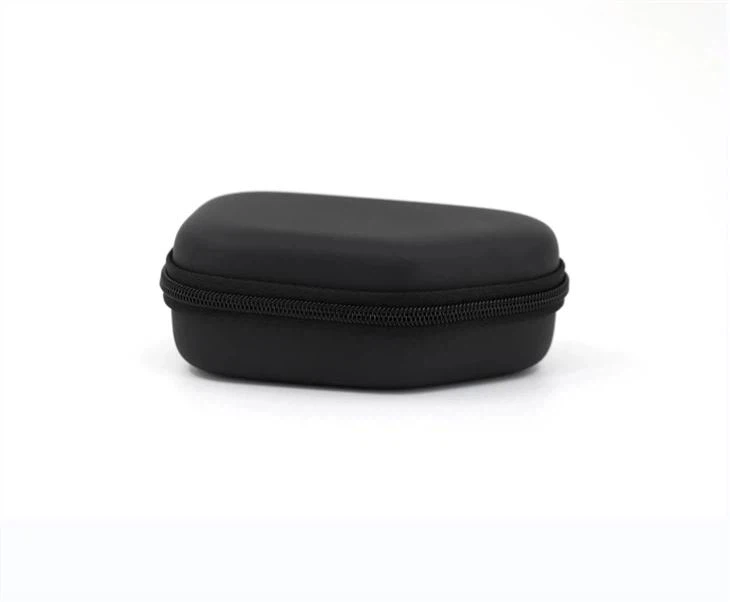
What Is EVA Material?
EVA, short for Ethylene-Vinyl Acetate Copolymer, is a thermoplastic elastomer formed by polymerizing two monomers-ethylene and vinyl acetate-under high pressure. Its unique copolymer structure gives it both plastic-like processability and rubber-like flexibility.
The vinyl acetate (VA) content in EVA can vary between 5% and 40%, and this proportion directly affects the material's properties:
- Lower VA content (5–10%) → similar to low-density polyethylene (LDPE): tougher and less flexible
- Medium VA content (10–20%) → balanced elasticity and transparency, suitable for packaging and consumer goods
- Higher VA content (20–40%) → highly elastic and soft, ideal for cushioning and comfort products
Key characteristics of EVA:
- Lightweight and flexible
- Excellent waterproof and impact absorption properties
- Smooth, soft texture similar to rubber foam
- Easy to mold and shape into various forms
- Resistant to cracking and low temperatures
Common applications: footwear midsoles, yoga mats, sports gear, protective packaging, electronics padding, and waterproof bags or cases.
What Is Plastic?
"Plastic" is a broad term for a family of synthetic materials made primarily from polymers derived from petroleum or natural gas. Plastics are formed by combining synthetic resins with additives such as stabilizers, plasticizers, and colorants to achieve specific characteristics.
There are two main categories:
- Thermoplastics – can be reheated and reshaped repeatedly (e.g., PE, PP, PVC)
- Thermosetting plastics – once molded, cannot be remelted (e.g., epoxy, phenolic resin)
Common plastic types:
- PE (Polyethylene): lightweight, flexible, widely used in films and packaging
- PP (Polypropylene): tough, chemical-resistant, used in containers and automotive parts
- PVC (Polyvinyl Chloride): rigid or flexible, used in pipes, covers, and cosmetic bags
In essence, EVA is part of the plastic family-it is a specialized form of plastic with enhanced elasticity and softness. However, because of its distinct properties, it's often discussed separately from conventional plastics.
Key Differences Between EVA and Plastic
Although EVA belongs to the plastic family, its internal molecular structure and resulting physical behavior make it stand apart from traditional materials like PE, PP, or PVC.
|
Comparison Aspect |
EVA (Ethylene-Vinyl Acetate) |
Typical Plastics (PVC, PE, PP) |
|
Chemical Structure |
Copolymer of ethylene and vinyl acetate |
Homopolymers like PE or PVC |
|
Flexibility |
Soft and elastic, rubber-like texture |
Ranges from flexible (PE) to rigid (PVC) |
|
Density & Weight |
Low density, very lightweight |
Generally heavier |
|
Transparency |
High transparency (varies by VA content) |
PE is translucent, PVC can be fully transparent |
|
Shock Absorption |
Excellent cushioning and rebound |
Limited elasticity, may deform permanently |
|
Surface Texture |
Matte or smooth surface |
Typically glossy or shiny |
|
Processing Temperature |
160–200°C, easy to mold |
Usually 180–230°C |
|
Additives |
Non-toxic stabilizers, no chlorine |
May contain plasticizers or chlorine compounds |
In simple terms, EVA can be described as a softer, more elastic version of plastic, while conventional plastics are more rigid and structured. This difference in flexibility is mainly due to the vinyl acetate groups that interrupt EVA's molecular chain alignment, reducing crystallinity and increasing elasticity.
Physical Properties and Performance Comparison
The performance of EVA and traditional plastics differs across several technical parameters, influencing how they are used in different products.
1. Density and Weight
EVA foam typically has a lower density (around 0.95 g/cm³), allowing it to float on water-an advantage in lightweight and waterproof products. PVC, by contrast, has a density of around 1.3–1.4 g/cm³, making it heavier and less buoyant.
2. Elasticity and Softness
EVA's internal structure gives it outstanding elasticity and shock absorption, making it ideal for cushioning materials such as shoe soles or protective linings. Traditional plastics like PP or PVC are more rigid and can lose flexibility over time, especially when exposed to temperature changes.
3. Durability
While EVA offers excellent resilience and resistance to cracking, its tensile strength is typically lower than that of PP or PVC. Plastics tend to resist wear and mechanical stress better, which is why they're often used in containers and structural components.
4. Weather and Chemical Resistance
EVA shows good resistance to moisture, UV rays, and mild chemicals, making it suitable for outdoor and waterproof products. PVC, although durable, may harden or discolor under prolonged sunlight. PE provides excellent chemical resistance but lacks elasticity.
5. Processing Characteristics
EVA can be molded at relatively low temperatures (160–200°C) with a wide processing window. It can easily be formed into complex shapes, which is why it's popular for custom-molded products like waterproof bags, cases, and foam inserts.
Property Comparison Table
|
Property |
EVA |
PVC |
PE |
PP |
|
Density (g/cm³) |
0.95 |
1.3–1.45 |
0.91–0.94 |
0.9 |
|
Hardness (Shore A/D) |
60–95A |
70–100D |
40–50D |
95–105D |
|
Tensile Strength (MPa) |
10–25 |
10–60 |
8–20 |
30–40 |
|
Elongation (%) |
300–800 |
20–400 |
100–650 |
100–600 |
|
Working Temp (°C) |
-50~70 |
-15~60 |
-50~80 |
0~120 |
Main Applications of EVA and Plastic
Both EVA and plastics are integral to modern manufacturing, each with strengths suited to specific needs.
|
Application Field |
EVA Applications |
Typical Plastic Applications |
|
Footwear & Sports |
Shoe midsoles, yoga mats, protective pads |
PVC soles, PE sports bottles |
|
Packaging |
Flexible films, cushioning foams, precision packaging |
PE/PP bags, rigid containers |
|
Industrial Use |
Cable insulation, solar encapsulation films, hot-melt adhesives |
PVC pipes, PE films |
|
Consumer Goods |
Waterproof bags, storage cases, toys |
Plastic boxes, household goods |
EVA is often chosen when products require lightweight flexibility, comfort, and impact resistance, while traditional plastics remain favored where rigidity, durability, and cost efficiency are priorities.
Conclusion
EVA and plastic may belong to the same material family, but their characteristics set them apart. EVA stands out for its softness, elasticity, and versatility, while traditional plastics excel in rigidity and structural stability.
Understanding these distinctions allows designers, manufacturers, and consumers to select the most appropriate material for each product-whether it's for flexibility, strength, or cost considerations.