

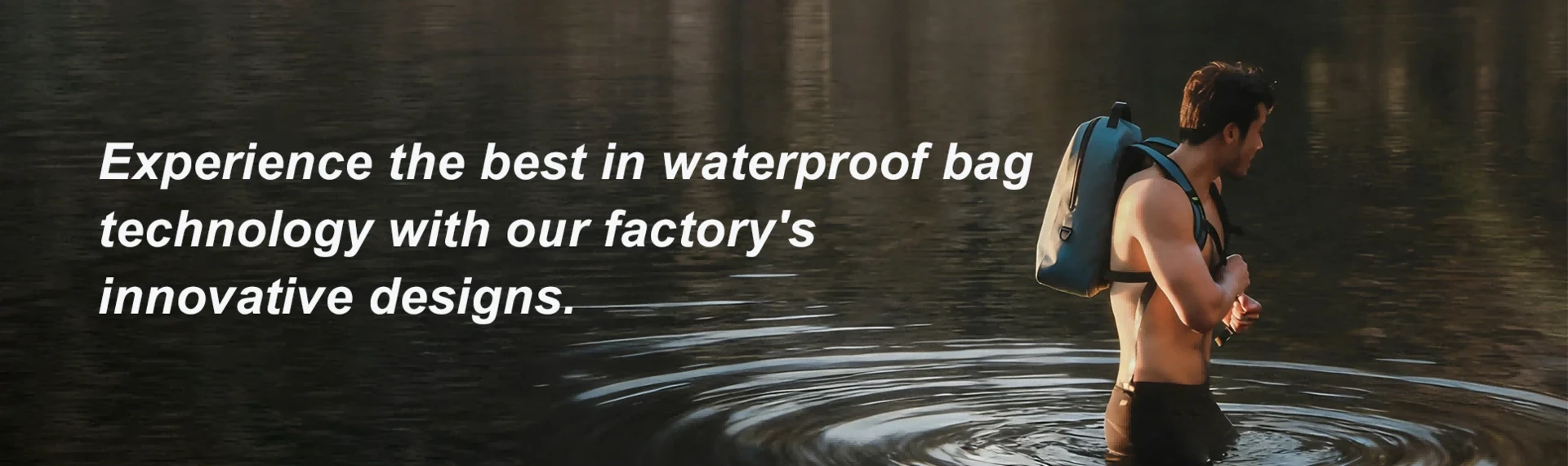
Complete Guide to Outdoor Sports Bag Types and Features [2026 Guide]
Apr 22, 2026
Leave a message
Outdoor sports bags take a beating. Rain, river crossings, heavy loads, sharp rocks - they face it all. Picking the wrong one means wet gear, sore shoulders, or wasted space. At FENGLINWAN, we've spent years manufacturing waterproof bags for real users who need reliable performance, not marketing hype. This guide breaks down the main types and the features that actually matter in 2026.
We focus on practical differences so you can match a bag to your activity without guesswork.

Types of Outdoor Sports Bags
Start with the activity, not the bag. A day hike in light rain needs something different from a multi-day trek with river fords or a kayaking trip.
Day Hiking and Technical Packs (15-35L)
These handle single-day outings or fast technical routes. Capacity stays modest because you carry layers, food, water, and safety gear without extra bulk. Look for slim profiles that won't snag on rock or branches. Many include external attachment points for poles or an ice axe. Weight usually lands between 400g and 900g. In practice, 20-25L covers most day hikes comfortably. Go smaller (15-20L) for fast-and-light missions or running. Push toward 30-35L when you need extra layers for changing weather or long days.
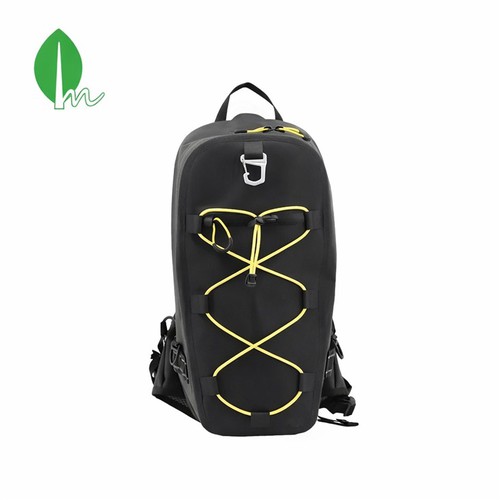
Multi-Day Trekking and Backpacking Packs (40-70L+)
For trips spanning several days, capacity becomes critical. These packs carry tent, sleeping system, cookware, and spare clothes. 35-45L works for light overnights or extended day trips. 50-65L handles most multi-day treks. Anything above 65L suits expeditions or heavy winter gear. Side or bottom zip access saves frustration - you avoid digging through the entire pack for items buried at the bottom. Compression straps and load lifters help control the weight once loaded.
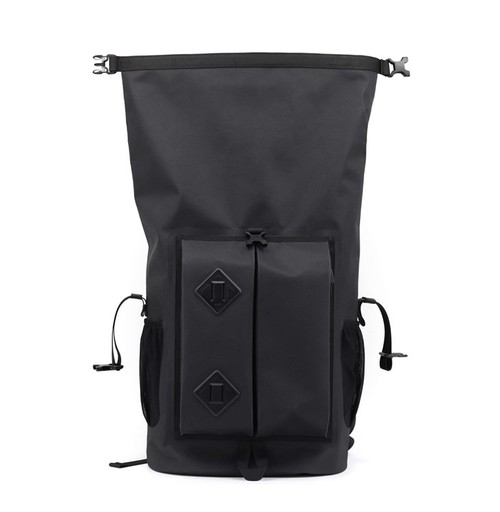
Waterproof Dry Bags and Roll-Top Designs
These deliver full waterproof protection, not just resistance. Roll-top closures with welded seams keep water out even during submersion. Use them for kayaking, rafting, or any trip where gear might end up underwater. Backpack-style dry bags combine hands-free carry with serious water protection. In 2026, TPU-laminated versions dominate because they stay flexible in cold and resist abrasion better over time than older PVC tarps.
Duffel Bags and Hybrid Carry Options
Duffels excel when you need wide-open access and large volume for bulky items. Many now include shoulder straps or backpack conversion so you can switch carry methods. They suit team sports travel, basecamp drops, or overland trips. Look for reinforced bottoms and sturdy zippers if the bag will be tossed into trucks or boats.
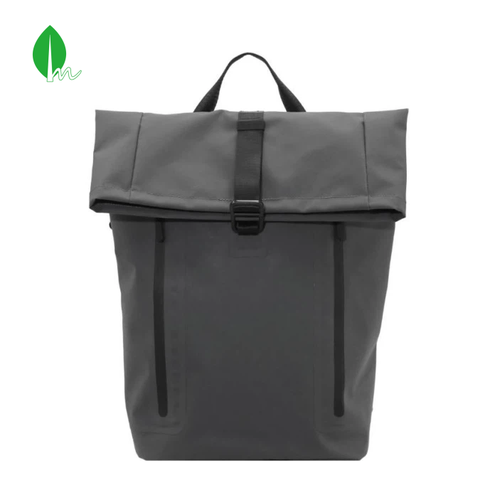
Fitness and Everyday Sports Bags
These prioritize quick access and organization. Independent shoe compartments and wet/dry separation pockets keep sweaty gear away from clean items. Capacities usually range 20-40L. They work for gym-to-trail transitions but rarely offer the full waterproofing needed for serious rain or water sports.
Capacity Quick Reference
|
Activity |
Recommended Capacity |
Typical Use Case |
Key Consideration |
|
Trail running / Fast hikes |
10-20L |
Minimal gear, hydration focus |
Weight and stability |
|
Standard day hiking |
20-35L |
Layers, food, water, safety kit |
Balance of comfort and access |
|
Extended day / Light overnight |
35-50L |
Extra clothing, small shelter |
Load distribution |
|
Multi-day trekking |
50-70L |
Full camping setup |
Access points and compression |
|
Expedition / Heavy carry |
65L+ |
Winter gear, group equipment |
Durability and frame strength |
Choose one size up if you tend to overpack. Compression features can shrink the effective volume when needed.
Key Features That Matter in Outdoor Sports Bags
Not all features earn their weight. Here's what actually affects performance in the field.
Waterproofing Performance
Many bags claim water resistance with DWR coatings. That works for light rain but fails in sustained downpours or submersion. True waterproof bags use TPU coatings or welded roll-top closures. TPU offers better long-term flexibility and abrasion resistance compared with traditional PVC, especially in cold conditions. Welded seams and taped zippers make the real difference - stitched seams eventually leak. For water-based activities, prioritize IPX7-level protection or better. In hiking, a reliable rain cover or full dry-bag liner can suffice if the main fabric sheds water quickly.
Carry and Load System
A poor fit turns even a light load into pain after a few hours. Key elements include a ventilated back panel, contoured shoulder straps, a hip belt that transfers weight to the pelvis, and load lifter straps that pull the top of the pack closer to your center of gravity. Adjust the hip belt first over the iliac crest, then fine-tune shoulders and sternum strap. Walk, bend, and reach while wearing the loaded pack. It should move with you, not fight against you. Larger trekking packs benefit most from these systems; small day packs rely more on a stable harness that prevents bounce.
Organization and Access
Top-loading designs stay weatherproof but force you to unpack to reach the bottom. Side or panel zip access helps when you need specific items without unloading everything. Hip belt pockets keep snacks or a phone reachable on the move. Wet/dry separation and dedicated shoe compartments prove useful in fitness or travel bags. External lash points and compression straps let you secure poles, tents, or wet jackets outside the main compartment.
Materials and Durability Trade-offs
Higher denier fabrics (e.g., 500D–1000D) resist tears better but add weight. Ripstop constructions stop small punctures from spreading. TPU-laminated nylon currently gives the best balance for waterproof bags - lighter and more flexible than heavy PVC while maintaining strong waterproofing. Eco-friendly options without harmful plasticizers are becoming standard, though they must still survive years of abrasion and UV exposure. Reinforced bottoms and high-wear zones extend life where it counts.
Other Practical Details
Breathable mesh panels reduce back sweat on warm days. Trekking pole attachments, ice axe loops, and reflective elements serve specific users. Lightweight packs sacrifice some organization; heavy-duty expedition bags trade weight for bombproof construction.
In the end, features should solve real problems for your typical trips. Extra pockets add little value if they never get used.
How to Choose the Right Outdoor Sports Bag in 2026
Match the bag to your most frequent activity first. A technical climbing pack with clean lines performs poorly for running because of snag risk and lack of bounce control. A full-featured trekking pack feels overbuilt and heavy on short hikes.
Consider these questions:
- How many days will you typically be out?
- Will the bag see water, rain, or river crossings?
- How much weight do you usually carry?
- Do you need quick access or maximum weather protection?
Test fit with realistic weight inside. An empty pack sits differently. Most people end up owning two bags - a smaller technical or day pack plus a larger load hauler - because one compromise solution rarely excels across scenarios.
In 2026, trends lean toward lighter composite fabrics, better wet/dry organization, and improved TPU waterproofing that stays supple longer. Environmental considerations push manufacturers toward recyclable materials without sacrificing field performance.
Care and Practical Tips
Rinse dirt and salt off after trips, especially near the ocean. Reapply DWR treatment when water stops beading on the surface. Store bags out of direct sunlight when not in use to slow material aging. For roll-top dry bags, roll the closure at least three times and buckle securely. Test waterproofing periodically by filling with water or using a hose.
Common question: "Is a water-resistant bag enough?" For occasional showers, yes. For anything that might get submerged or faces hours of rain, invest in proper waterproof construction with welded seams.
Looking Ahead
Waterproof performance keeps improving through better laminates and construction techniques. Lightweight yet tough materials reduce fatigue on long carries. Organization features continue to evolve around real user workflows rather than adding pockets for the sake of it.
At FENGLINWAN we specialize in waterproof bags built for demanding conditions. Our TPU-based constructions and roll-top designs focus on keeping gear dry without unnecessary weight or complexity. Whether you need stock models or custom OEM solutions for specific activities, the goal stays the same - equipment that works when conditions turn ugly.
Browse our waterproof outdoor bag series or contact us directly if you have volume or customization requirements. Reliable gear starts with understanding exactly what the bag needs to survive.