


Waterproof vs Regular Luggage Bags: Key Differences, and How to Choose
May 13, 2026
Leave a message
A regular luggage bag is built to carry clothes, shoes, travel items, and personal gear through normal travel conditions. A waterproof luggage bag is built for a different job: keeping water away from the contents when the bag faces rain, wet ground, boat decks, beach sand, mud, or outdoor transport.
That difference sounds simple. In production, it is not.
A waterproof luggage bag is not just a regular bag made with a coated fabric. Real water protection depends on the fabric, seams, zipper, closure, bottom panel, handle attachment points, and the way the bag will actually be used.
If your customers travel mostly through airports, hotels, cars, trains, and dry cities, regular luggage may be enough. If the bag will be used for camping, fishing, boating, motorcycle travel, rainy-season travel, or outdoor gear transport, waterproof luggage is usually the safer product choice.
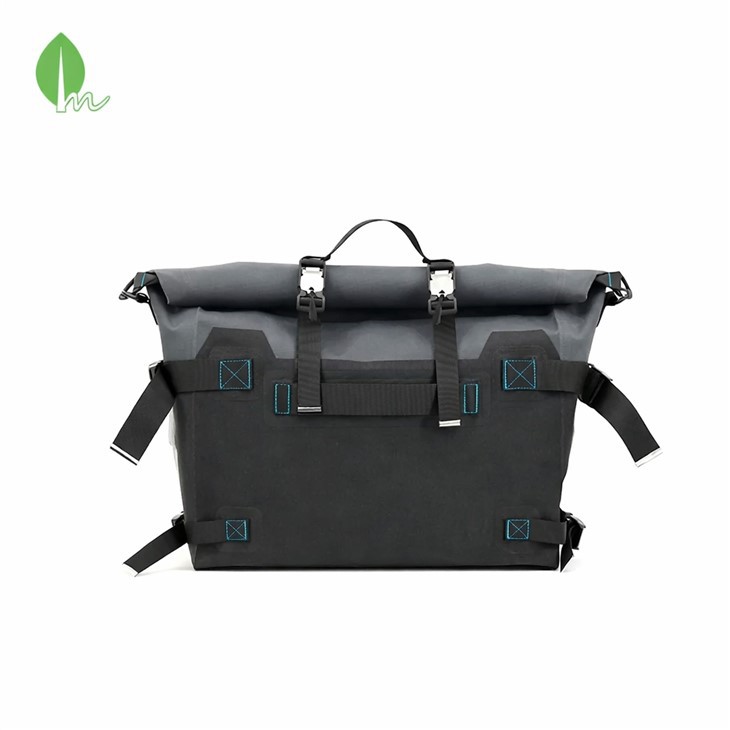
What Is a Waterproof Luggage Bag?
A waterproof luggage bag is a travel bag designed to resist water entry under defined conditions. It is usually made with waterproof or coated materials such as PVC tarpaulin, TPU laminated fabric, waterproof nylon, coated polyester, or PU-laminated fabric.
The fabric is only one part of the answer.
A waterproof luggage bag usually needs one or more of the following construction details:
- Welded, heat-sealed, taped, or reinforced seams
- Waterproof zipper or protected zipper structure
- Roll-top closure for stronger water protection
- Reinforced waterproof bottom panel
- Fewer exposed stitch lines and external openings
- Carefully designed handle and strap attachment points
This is why many outdoor waterproof duffel bags look simpler than regular travel bags. Fewer openings mean fewer leak points. More pockets, decorative panels, and zipper lines may look attractive, but every extra cut line can reduce water protection if it is not engineered properly.
Waterproof luggage is not defined by fabric alone. The seams, zipper, closure, bottom panel, and handle attachment points all affect real water protection.
What Is a Regular Luggage Bag?
A regular luggage bag is designed for normal travel use. Its main priorities are usually capacity, weight, price, style, packing convenience, and general durability.
Common materials include polyester, nylon, canvas, PU-coated fabric, and hard-shell materials such as ABS or polycarbonate. Some regular luggage bags have a water-repellent coating, but that does not mean the whole bag is waterproof.
A polyester travel bag with a PU coating may shed light rain when new. A nylon duffel with DWR treatment may allow water to bead up on the surface. But after abrasion, folding, washing, UV exposure, or repeated airport handling, that water resistance can weaken.
The weak points are usually easy to predict:
- Standard zippers
- Needle holes from stitching
- Unsealed seams
- Fabric joints around pockets
- Bottom panels placed on wet surfaces
- Handle and shoulder strap attachment points
A regular luggage bag may handle light splashes or short rain exposure, but it is not designed for heavy rain, wet ground, boating, camping, or long outdoor transport.
That does not make it a bad product. It simply means it was built for a different environment.
Waterproof, Water-Resistant, and Regular Luggage: What Is the Real Difference?
Many product pages use "waterproof," "water-resistant," and "rainproof" too loosely. For buyers, this creates confusion. For brands, it creates complaint risk.
These three terms should not be treated as the same.
Waterproof Luggage
Waterproof luggage is designed for stronger water exposure. It should combine waterproof fabric with proper seam, closure, zipper, and bottom construction.
Some waterproof travel bags are built for heavy rain and splashes. Some dry bag-style luggage, especially welded roll-top duffels, may handle short water exposure better. But not every waterproof luggage bag is suitable for submersion.
If a bag is expected to survive heavy rain, boat use, or water sports, the design should be tested for that specific condition.
Water-Resistant Luggage
Water-resistant luggage is designed to resist light moisture, not block water under harsh conditions.
This type of bag may use polyester or nylon with a coating. It can work for short city rain, airport transfer, car travel, or light splashes. It is not the right choice for long downpours, wet campsites, boat decks, or motorcycle transport in heavy rain.
Water-resistant luggage is practical when the buyer wants a balance between lower cost, lower weight, and basic rain protection.
Regular Luggage
Regular luggage is designed around daily travel needs. It may or may not have any water-repellent treatment.
Its value is usually in easy packing, style variety, compartments, wheels, lower cost, and lightweight construction. It works well in dry, controlled environments, but it should not be promoted as waterproof unless the materials and structure support that claim.
Waterproof, water-resistant, and regular luggage serve different levels of water exposure. Mixing these terms can lead to wrong buying decisions and poor customer expectations.
Waterproof vs Regular Luggage Bags: Key Differences
The difference between waterproof and regular luggage is not one single feature. It is a combination of material, construction, closure design, bottom protection, weight, cost, and use case.
|
Feature |
Waterproof Luggage Bags |
Regular Luggage Bags |
|
Main purpose |
Protect contents from rain, splashes, wet ground, and outdoor moisture |
Carry travel items in normal travel conditions |
|
Common materials |
PVC tarpaulin, TPU laminated fabric, coated polyester, waterproof nylon |
Polyester, nylon, canvas, PU-coated fabric, ABS/PC hard shell |
|
Seam construction |
Welded, heat-sealed, taped, or reinforced |
Usually stitched |
|
Zipper / closure |
Waterproof zipper, roll-top closure, sealed opening |
Standard zipper or standard travel opening |
|
Bottom panel |
Often reinforced, waterproof, and abrasion-resistant |
May absorb moisture or leak at seams |
|
Water protection |
Medium to high, depending on construction |
Low to moderate |
|
Weight |
Often heavier |
Usually lighter |
|
Cost |
Higher |
Lower |
|
Design flexibility |
Fewer exposed pockets and openings |
More pockets, shapes, colors, and decorative options |
|
Best use cases |
Camping, boating, fishing, rain travel, outdoor transport |
Business trips, airports, hotels, dry city travel |
|
Best buyers |
Outdoor brands, marine brands, sports brands, premium travel lines |
General travel brands, budget markets, promotional channels |
Material Difference
Waterproof luggage bags usually use coated, laminated, or non-porous materials. PVC tarpaulin is common for heavy-duty waterproof luggage because it offers strong water resistance, good structure, and controlled cost. It is often used for waterproof duffel bags, boat bags, motorcycle bags, and outdoor gear bags.
TPU laminated fabric is often chosen for higher-end waterproof luggage. It can give a softer hand feel and better premium positioning, though the cost is higher than many PVC options.
Coated polyester sits in the middle. It can work well for water-resistant or light waterproof travel bags, but it should not be used for strong waterproof claims unless the seam, closure, and testing also support the claim.
Regular luggage materials focus more on price, color options, flexibility, and sewing efficiency. Polyester and nylon are easy to produce at scale, but they rely heavily on coating or lining if water protection is needed.
Seam, Zipper, and Closure Difference
Water usually enters a bag through the construction, not through the center of the fabric.
A regular stitched seam creates needle holes. In light rain, this may not be a problem. In long rain or wet ground contact, those holes become entry points. Taped seams can improve water resistance, but tape quality and fabric compatibility matter. Welded seams are often used for stronger waterproof luggage, especially with PVC or TPU-based materials.
Zippers need the same attention. A standard zipper is not waterproof. A flap can reduce splash entry, but it cannot turn the zipper into a waterproof system. Waterproof zippers improve protection and convenience, but they cost more and need better quality control.
For stronger water protection, welded seams with a roll-top closure are often more reliable than a standard zipper-based design. Waterproof zippers offer easier access, but they require better quality control.
Bottom Construction Difference
For luggage bags, the bottom panel deserves more attention than many buyers give it.
A backpack spends most of its time on the body. A luggage bag is often placed on the ground, boat deck, campsite, pickup truck bed, airport floor, beach sand, or motorcycle rack. That means the bottom faces water, dirt, abrasion, and pressure.
A good waterproof luggage bag may need a thicker bottom panel, reinforced coating, welded lower seams, or extra protective layers. If the bottom is only regular stitched fabric, water can enter when the bag sits on wet ground for 20 minutes, even if the side panels are waterproof.
For luggage bags, the bottom panel matters because the bag often sits on wet ground, boat decks, campsites, pickup beds, and airport floors.
Weight, Cost, and Design Difference
Waterproof luggage usually costs more. The reason is not just the fabric price.
The cost comes from waterproof materials, welding or seam sealing, waterproof zipper selection, reinforced bottom panels, special machinery, slower production steps, and stricter inspection. A welded waterproof duffel bag also requires different equipment and operator skill compared with a simple stitched polyester travel bag.
There is also a design trade-off. Waterproof luggage often has fewer external pockets because each pocket adds seams and zippers. Regular luggage can offer more compartments, decorative panels, color blocking, front pockets, and softer construction.
The main difference is not only water protection. Waterproof luggage is built for harsher environments, while regular luggage is built for everyday convenience, lower cost, and wider design flexibility.
How Waterproof and Regular Luggage Perform in Real Travel Conditions
A bag does not fail in a showroom. It fails on wet ground, during loading, on a rainy dock, or after being strapped to a motorcycle for three hours.
That is why real use conditions matter more than product labels.
Light Rain and Short Splashes
For short rain exposure, a regular or water-resistant luggage bag may be enough. For example, moving from a taxi to a hotel entrance in light rain does not require a fully welded waterproof duffel. A PU-coated polyester bag or hard-shell suitcase may handle that level of moisture.
The key word is short.
If the rain stops quickly and the bag is not sitting in water, basic water resistance often does the job.
Heavy Rain and Long Outdoor Transport
Heavy rain changes the situation. Water has more time to enter through zipper tracks, seam holes, bottom joints, and pocket openings.
For motorcycle touring, rooftop cargo, truck-bed transport, outdoor events, camping, or long-distance rainy travel, regular luggage becomes a risk. Once water enters, clothing, documents, electronics, and insulation layers can be damaged.
In these cases, waterproof luggage bags with welded seams, reinforced bottoms, and protected closures are much more practical.
Wet Ground, Boat Decks, and Beach Travel
Many users do not drop their luggage into water. They simply put it down in the wrong place.
A bag may sit on a wet dock, muddy campsite, damp boat floor, rain-soaked airport tarmac, or beach sand. In these conditions, the bottom panel and lower seams decide whether moisture reaches the inside.
This is where many regular bags fail. The side fabric may resist splashes, but the bottom stitching slowly pulls in water.
Short Submersion or Water Sports
Not every waterproof luggage bag is made for submersion.
For kayaking, rafting, boating, fishing, or marine transport, buyers should look for dry bag-style construction: welded seams, roll-top closure, and fewer openings. Some products may use IP-style ratings or buyer-defined leakage tests, but many large luggage bags are tested through practical rain, spray, or water exposure methods instead.
A zipper-based waterproof bag can work well for rain and splashes, but it should not be treated the same as a roll-top dry bag unless it has been designed and tested for that use.
Pros and Cons of Waterproof Luggage Bags
Waterproof luggage is useful, but it is not automatically the right choice for every market.
Pros of Waterproof Luggage Bags
The biggest advantage is protection for the contents. Clothes, electronics, cameras, documents, shoes, sports gear, and camping equipment are more likely to stay dry when the bag is properly designed.
For outdoor brands, this matters. A customer buying a waterproof duffel for fishing or motorcycle travel is not only buying storage space. They are buying trust that dry gear will remain dry after rain, spray, and wet ground contact.
Waterproof luggage also offers a clearer product position. It fits outdoor, marine, camping, fishing, sports, and adventure travel categories. For brands selling higher-value gear, waterproof construction can support a higher retail price and a stronger product story.
Coated waterproof surfaces are also easier to clean. Mud, sand, and rainwater can often be wiped off more easily than from woven fabric.
The real value of waterproof luggage is not that the bag itself stays dry. It is that clothes, electronics, documents, cameras, and outdoor gear are better protected from water damage.
Cons of Waterproof Luggage Bags
Waterproof luggage costs more to make. PVC tarpaulin, TPU laminated fabric, waterproof zippers, welded seams, and reinforced bottoms all increase production cost.
It may also be heavier. A 500D or 1000D coated waterproof material, reinforced bottom layer, and waterproof zipper system will not feel the same as a lightweight polyester travel bag.
Design freedom is lower. If a customer asks for many outer pockets, decorative stitch lines, front compartments, and multiple zipper openings, the waterproof structure becomes harder to control. Every extra feature needs to be designed carefully or downgraded to water-resistant.
There is also a maintenance issue. Waterproof zippers should be kept clean. Roll-top closures must be rolled correctly. Coated surfaces should not be damaged by sharp objects or stored under harsh sun for long periods.
For B2B buyers, the risk is not only paying more for waterproof materials. The bigger risk is making waterproof claims without matching seams, zippers, closures, and test methods.
Pros and Cons of Regular Luggage Bags
Regular luggage has a strong place in the market. It is not less professional. It is simply designed for another kind of user.
Pros of Regular Luggage Bags
Regular luggage bags are usually lighter, cheaper, and easier to produce in many designs. They can have more compartments, front pockets, color-blocked panels, soft handles, decorative stitching, wheels, trolley sleeves, and brand details.
For city travel, business trips, gym use, promotional travel bags, and airport-to-hotel journeys, these benefits often matter more than high waterproof performance.
A regular polyester or nylon travel bag can also be easier to fold, pack, and store. For brands targeting budget travel or general lifestyle customers, this can be the better commercial choice.
Regular luggage gives buyers more design flexibility and lower cost. In dry, controlled travel environments, that may be exactly what the market wants.
Cons of Regular Luggage Bags
Regular luggage has limited water protection. Even if the fabric has a coating, standard zippers and stitched seams can leak. The bottom panel may absorb moisture when placed on wet ground.
Water-repellent coatings can also wear down. A bag may perform well when new, then lose resistance after repeated abrasion, folding, or cleaning.
The biggest mistake is marketing a regular bag as waterproof. If the product uses regular zippers, stitched seams, and untreated bottom construction, waterproof claims will create customer complaints.
Regular luggage bags are not a poor choice. They are simply designed for controlled travel environments, not wet outdoor conditions.
When Should You Choose a Waterproof Luggage Bag?
Choose waterproof luggage when water exposure is not a rare accident, but part of the normal use environment.
Choose Waterproof Luggage for Wet Outdoor Environments
Waterproof luggage is the better choice for camping, fishing, boating, kayaking, beach travel, rainy-season travel, motorcycle touring, outdoor events, and gear transport.
In these conditions, the bag may face rain from above, water spray from the side, moisture from the ground, and dirt from rough surfaces. A regular bag may survive one trip, but repeated use will expose its weak points.
For outdoor and marine product lines, waterproof luggage is not an extra feature. It is part of the expected performance.
Choose Waterproof Luggage for High-Value Gear
If the bag carries electronics, cameras, dry clothing, documents, tools, samples, or outdoor equipment, water damage can cost far more than the bag itself.
This is common in photography travel, fishing trips, sailing, rescue gear storage, outdoor sports events, and motorcycle touring. Even a small amount of water inside the bag can cause real loss.
When contents are valuable, water protection should be treated as a product requirement, not a marketing decoration.
Choose Waterproof Luggage for Stronger Product Positioning
For brands targeting outdoor, marine, camping, fishing, sports, or adventure travel markets, waterproof luggage creates a clearer selling point.
A waterproof duffel made with PVC tarpaulin or TPU laminated fabric can sit naturally beside dry bags, cooler bags, motorcycle bags, and outdoor gear bags. It gives the brand a practical reason to charge more than a standard polyester travel bag.
The product still needs the right structure. A premium material with a weak zipper or leaking bottom will not support premium positioning.
Choose Welded or Roll-Top Designs for Stronger Water Protection
For stronger water exposure, welded seams and roll-top closures are often the safer choice. This is especially true for dry bag-style waterproof duffels used near boats, rivers, beaches, or campsites.
Waterproof zippers are useful when the buyer wants easier access. They work well for rain protection when properly selected and installed. But they should not be treated as a shortcut to full waterproof performance.
If the bag may sit on wet ground, ride on a boat, face long rain exposure, or carry gear that must stay dry, waterproof luggage is the safer choice.
When Is a Regular Luggage Bag Enough?
A regular luggage bag is enough when the travel environment is mostly controlled.
This includes airport-to-hotel travel, business trips, car travel, train travel, city breaks, indoor storage, dry climates, and short trips where the bag is not expected to sit in rain or mud.
A regular luggage bag also makes sense when buyers care more about price, weight, pockets, style, and flexibility. Not every customer wants a heavy-duty waterproof duffel. Some want a lightweight travel bag with more compartments and a softer feel.
Water-resistant luggage can be a middle option. It works when the buyer wants protection from light rain or splashes, but does not need welded seams or roll-top construction.
If the bag is mainly used in airports, hotels, cars, trains, and dry city environments, a regular luggage bag or water-resistant luggage bag is usually enough.
How to Choose Between Waterproof and Regular Luggage Bags
The right decision starts with the use environment, not the product category.
If Protection Comes First
Choose waterproof luggage when the customer expects rain, spray, wet ground, outdoor storage, or marine use.
Look for waterproof fabric, welded or sealed seams, reinforced bottom construction, and a closure system that fits the expected water exposure. For stronger conditions, roll-top designs and welded seams are usually safer than ordinary zipper-based structures.
This is the right direction for camping bags, fishing bags, motorcycle luggage, marine bags, waterproof duffels, and outdoor gear transport bags.
If Weight and Everyday Convenience Come First
Choose regular or water-resistant luggage when the customer wants lighter weight, easier packing, more pockets, more style options, and lower cost.
This works well for business travel, city travel, promotional products, gym travel bags, airline carry items, and general soft luggage.
High waterproof performance often reduces design flexibility. A bag with many exterior pockets may be convenient, but each pocket must be managed as a potential water entry point.
If Budget Comes First
If the product line is price-sensitive, regular luggage or coated polyester luggage may be the better choice.
The key is to avoid overclaiming. A low-cost PU-coated polyester travel bag can be described as water-resistant or splash-resistant if the construction supports it. It should not be marketed as waterproof if it uses regular zippers, stitched seams, and a standard bottom panel.
Budget products can still be good products. They just need honest positioning.
Match the Material to the Target Market
Material choice should follow the market, not personal preference.
|
Material |
Best For |
Main Strength |
Main Limitation |
|
PVC tarpaulin |
Heavy-duty waterproof luggage, outdoor duffels, marine bags |
Strong water resistance, controlled cost, good structure |
Can feel stiffer and heavier |
|
TPU laminated fabric |
Premium waterproof luggage, outdoor travel bags |
Softer feel, better premium positioning |
Higher cost |
|
Coated polyester |
Light water-resistant luggage, budget travel bags |
Lower cost, lighter weight, easy color options |
Not ideal for strong waterproof claims |
|
Coated nylon |
Lightweight outdoor-style luggage |
Good strength-to-weight feel |
Depends heavily on coating and seam design |
|
Hard-shell ABS/PC |
Standard suitcases, city travel |
Surface resists rain better than fabric |
Zippers, frame gaps, expansion seams, and handle openings remain weak points |
Hard-shell luggage may resist rain on the shell surface, but the zipper track, expansion seam, frame gap, wheel housing, and handle openings still decide whether water can enter.
Check Seams, Zippers, Bottom, and Logo Process
B2B buyers should not stop at the fabric name.
Ask how the seams are made. Ask whether the zipper is waterproof, covered, or standard. Ask whether the bottom panel is reinforced. Ask whether the handle stitching or shoulder strap attachment punctures the waterproof layer.
Logo method also matters. A printed logo usually has less effect on waterproofing than embroidery. Embroidery can puncture the material unless it is placed in a non-critical area or backed by proper sealing.
For B2B buyers, the best waterproof luggage bag is not always the most expensive one. It is the one whose material, structure, cost, and waterproof level match the target customer.
B2B Buyer Checklist for Custom Waterproof Luggage Bags
Before starting a custom waterproof luggage project, define the required performance. Many sampling problems come from unclear expectations.
Confirm the Required Waterproof Level
Start with the real use case. Does the bag need to handle light rain, heavy rain, splashes, wet ground, boat decks, or short water exposure?
A city travel bag with water-resistant fabric has a different structure from a welded waterproof duffel for fishing or marine use. The stronger the waterproof requirement, the more attention should go into seam method, closure design, bottom reinforcement, and testing.
Check Material and Fabric Details
Confirm the material type, thickness, coating, lamination, surface texture, abrasion resistance, cold resistance, color options, and environmental requirements.
Do not judge only by denier. A 600D fabric is not automatically more waterproof than a 300D fabric. Coating, lamination, weave, finishing, and seam design matter just as much.
For waterproof luggage, fabric choice should be linked to structure and target price.
Check Seam, Zipper, and Closure Design
Ask whether the seams are stitched, taped, heat-sealed, or high-frequency welded. Ask whether the bag uses waterproof zippers, standard zippers with flaps, or roll-top closure.
Also confirm whether the whole bag is waterproof or only the main compartment. Some bags have a waterproof main chamber but water-resistant exterior pockets. That is acceptable if the product page explains it clearly.
The worst situation is when the marketing says "waterproof," but the external zipper pockets leak in the first rain.
Check Bottom Reinforcement and Carrying Structure
For luggage bags, the bottom panel carries both weight and water exposure.
Check bottom thickness, abrasion resistance, welding quality, corner reinforcement, and contact areas. Also check the handle, shoulder strap, trolley sleeve, and tie-down points.
Attachment points can create leak risks if they are stitched directly into waterproof panels without proper reinforcement or sealing.
Check Customization, Testing, and Production Details
Before bulk production, confirm size, color, logo method, inner pockets, packaging, MOQ, sample lead time, bulk production lead time, testing method, and target price.
For product claims, decide the wording early. "Water-resistant," "rainproof," "waterproof main compartment," and "fully waterproof dry bag-style construction" are not the same promise.
Before ordering custom waterproof luggage bags, buyers should confirm the required waterproof level first. Material, seam method, zipper choice, bottom reinforcement, logo process, and cost should all follow that requirement.
Care and Maintenance: What Buyers Should Know
Waterproof performance is not only about the original design. It also depends on use, cleaning, storage, and wear.
Water-resistant coatings can wear down after abrasion, folding, washing, and long-term use. Waterproof zippers should be kept clean, especially after sand, mud, or saltwater exposure. Roll-top closures must be rolled tightly and clipped correctly.
PVC and TPU coated surfaces should be kept away from sharp objects. Long-term harsh sunlight or high heat can also speed up coating aging. After wet use, the bag should be cleaned and air-dried before storage.
Machine washing is usually not suitable for waterproof luggage. It can damage coatings, seams, zippers, and shape retention.
Waterproof performance depends not only on the original design, but also on proper use, cleaning, storage, and the condition of zippers, seams, and coatings over time.
Final Recommendation: Which One Should You Choose?
Choose regular luggage bags if your customers mainly travel through airports, hotels, cars, trains, dry cities, and controlled indoor environments.
Choose water-resistant luggage bags if they only need protection from light rain, splashes, or short outdoor exposure.
Choose waterproof luggage bags if they travel in rain, camp outdoors, go fishing, ride motorcycles, visit beaches, work around boats, or need to protect gear from wet ground and outdoor moisture.
Choose welded waterproof luggage or roll-top waterproof duffel bags if the product must handle heavier rain, splashes, mud, marine use, or rough outdoor transport.
Waterproof luggage bags are the better choice for wet, outdoor, marine, camping, fishing, motorcycle, and adventure travel environments. Regular luggage bags are better for dry, controlled, everyday travel where price, weight, and style variety matter more than water protection.
FENGLINWAN manufactures custom waterproof bags for outdoor, travel, sports, and marine product lines. If you are developing waterproof luggage bags, waterproof duffel bags, or OEM waterproof travel bags, we can help compare PVC tarpaulin, TPU laminated fabric, coated polyester, welded seams, waterproof zippers, roll-top closures, reinforced bottoms, and custom logo options before sampling.
FAQ
Are waterproof luggage bags really waterproof?
Some are designed for heavy rain and splashes. Others are built for stronger water exposure with welded seams and roll-top closures. The real performance depends on fabric, seams, zipper, closure, bottom structure, and testing. Do not judge by the word "waterproof" alone.
Is waterproof luggage the same as water-resistant luggage?
No. Waterproof luggage is designed for stronger water protection. Water-resistant luggage can usually handle light rain or splashes, but it may leak during heavy rain, long exposure, wet ground contact, or water sports use.
Can waterproof luggage be submerged?
Only some designs can handle short water exposure. Dry bag-style luggage with welded seams and roll-top closure is more suitable for stronger water exposure. Zipper-based waterproof luggage is often better for rain and splashes, unless it has been specifically designed and tested for submersion.
What is the best material for waterproof luggage bags?
PVC tarpaulin is practical for heavy-duty waterproof luggage because it gives strong water resistance and controlled cost. TPU laminated fabric is better for premium waterproof luggage with a softer feel and higher positioning. Coated polyester is better for light water-resistant travel bags, not strong waterproof claims.
Are waterproof luggage bags heavier than regular luggage bags?
Often yes. Waterproof materials, laminated layers, reinforced bottoms, waterproof zippers, and welded structures can add weight. The final weight depends on fabric thickness, bag size, closure design, and reinforcement method.
Are waterproof luggage bags worth it?
They are worth it when the bag will be used in rain, camping, fishing, boating, beach travel, motorcycle travel, or wet outdoor transport. For dry city travel, airport transfers, and business trips, regular luggage may be enough.
Does hard-shell luggage mean waterproof?
No. A hard shell can resist water on the surface, but zippers, frame gaps, expansion seams, wheel housings, and handle openings can still allow water to enter. Hard-shell luggage should not automatically be treated as waterproof.
Can regular luggage bags be made waterproof?
They can be made more water-resistant with coated fabric, rain covers, protected zippers, or improved lining. But true waterproof performance requires waterproof design from the beginning, including fabric, seams, closure, bottom structure, and testing.
Do waterproof coatings wear off?
Water-repellent coatings can wear down through abrasion, washing, folding, and long-term use. Laminated or coated waterproof fabrics may also age under heat, sunlight, sharp objects, or poor storage. Proper care helps extend performance.
What should B2B buyers check before ordering waterproof luggage bags?
B2B buyers should check waterproof level, fabric type, coating or lamination, seam method, zipper type, closure design, bottom reinforcement, logo method, external pocket protection, testing method, MOQ, sample lead time, bulk production lead time, and target price.