

What Factors Influence the Cost of Custom Waterproof Bags?
Jan 29, 2026
Leave a message
As an outdoor waterproof bag manufacturing expert with years of experience in the industry, I understand that when brands or businesses consider custom waterproof bags, cost is always a primary concern. However, pricing in this sector isn't as straightforward as many assume. The final price tag reflects numerous technical and logistical factors that directly impact both quality and value. In this comprehensive guide, I'll break down the key cost drivers and provide actionable strategies to help you make informed purchasing decisions while balancing budget and quality requirements.

Material Selection: The Foundation of Cost and Performance
The materials you choose for your custom waterproof bags account for 35-50% of the total production cost, making this the most significant pricing factor. Not all waterproof materials are created equal, and each option carries distinct price points and performance characteristics.
1. TPU (Thermoplastic Polyurethane) stands as the premium choice in waterproof bag manufacturing. TPU offers exceptional durability, flexibility, and waterproof integrity, especially when used in fully welded constructions. However, this quality comes at a price - TPU bags typically cost 40-60% more than PVC alternatives. The material itself is more expensive, and the welding process requires specialized equipment and skilled labor.
2. PVC (Polyvinyl Chloride) provides a more budget-friendly option while still delivering reliable waterproof protection. PVC bags are generally 20-30% cheaper than TPU versions, making them popular for entry-level or promotional products. However, they tend to be stiffer, less environmentally friendly, and may degrade faster under UV exposure.
3. Tarpaulin and coated nylon offer a middle ground in terms of pricing and performance. These materials are often chosen for their balance between water resistance and breathability. Tarpaulin bags are particularly popular for heavy-duty applications, while coated nylon is favored for lightweight packable designs. The coating quality (PU or PE) significantly affects both cost and waterproof performance.
When evaluating material costs, consider:
- Material thickness (measured in denier or thickness in mm)
- Coating type and density (affects waterproof ratings)
- Environmental certifications (eco-friendly materials often carry premium pricing)
- Color options (standard colors vs. custom Pantone matches)
Waterproofing Techniques: How Construction Methods Impact Pricing
The method used to create waterproof seals dramatically affects both the bag's performance and its manufacturing cost. There are three primary waterproofing techniques in bag production, each with distinct cost implications:

1. Sewn Seams with Taped Seals (Most Economical)
This traditional method involves sewing the bag panels together and then applying waterproof tape over the seams. While cost-effective (typically adding $0.50-$1.50 per linear foot of seam), this approach has limitations in waterproof reliability, especially under prolonged exposure or heavy use. The tape can degrade over time, and needle holes may eventually wick moisture.
2. High-Frequency Welding (Mid-Range Pricing)
HF welding uses radio frequencies to bond materials together without stitching, creating completely sealed seams. This method provides superior waterproofing compared to taped seams and adds approximately $2-$4 per linear foot to production costs. The process requires specialized equipment and trained operators, contributing to the higher price point.
3. Ultrasonic Welding (Premium Option)
The gold standard in waterproof construction, ultrasonic welding uses high-frequency vibrations to molecularly bond materials. This creates the most durable and reliable waterproof seals but adds $3-$6 per linear foot to manufacturing costs. The equipment is expensive, and the process requires precise calibration, making this technique most cost-effective for high-end products.
Comparative Cost Analysis of Waterproofing Methods:
|
Technique |
Waterproof Rating |
Cost per Linear Foot |
Best For |
|
Taped Seams |
IPX4-IPX6 |
$0.50-$1.50 |
Budget/entry-level bags |
|
High-Frequency |
IPX7-IPX8 |
$2.00-$4.00 |
Mid-range performance |
|
Ultrasonic |
IPX8+ |
$3.00-$6.00 |
Professional/expedition |
Order Volume and MOQ: The Power of Scale Economics
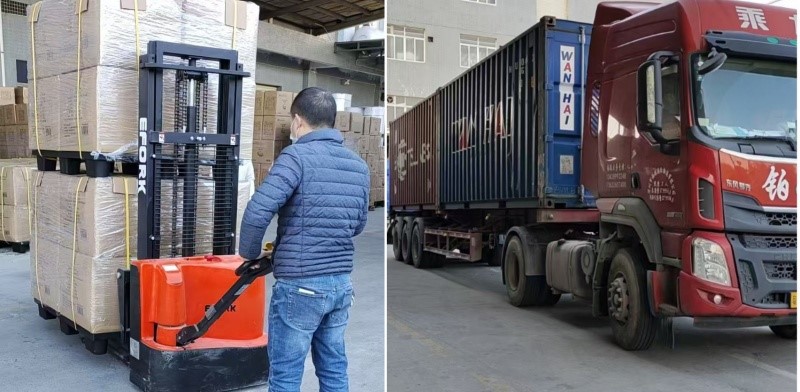
Minimum Order Quantities (MOQs) and production scale create some of the most dramatic price fluctuations in custom waterproof bag manufacturing. Understanding these volume thresholds can help you plan purchases strategically.
Typical MOQ Structure in the Industry:
- Sample quantities (1-50 units): Highest per-unit cost (often 2-3x mass production pricing)
- Small batch (50-500 units): Moderate pricing, suitable for market testing
- Standard production (500-5,000 units): Optimal balance of cost and risk
- Mass production (5,000+ units): Lowest per-unit costs (30-60% less than small batches)
The price differences between these tiers can be substantial. For example, a TPU dry bag that costs $28/unit at 300 pieces might drop to $18/unit at 3,000 pieces and as low as $12/unit at 10,000 pieces. These reductions come from:
- Fixed cost amortization (tooling, setup, and pattern costs spread across more units)
- Material bulk discounts (fabric, hardware, and components purchased in larger quantities)
- Production line efficiency (workers become faster with repetition, reducing labor hours per unit)
Many Chinese manufacturers offer flexible MOQ options, with some specializing in small-batch prototyping (as low as 50 units) while others focus exclusively on high-volume production. When requesting quotes, be clear about your projected annual volumes, as this may qualify you for tiered pricing even if initial orders are small.
Hardware and Components: Small Parts with Big Cost Impacts
While often overlooked in initial planning, the choice of zippers, buckles, and other hardware can account for 15-25% of a waterproof bag's total cost. Premium components not only increase durability but also significantly impact perceived quality.
Waterproof Zippers:
- Standard plastic zippers: $0.50-$1.50 per unit
- YKK waterproof zippers (industry standard): $2.50-$5.00 per unit
- Aquaseal or waterproof-coated metal zippers: $4.00-$8.00 per unit
The difference between basic and premium zippers alone could add $3-6 to each bag's cost. However, this investment often pays off in product longevity and customer satisfaction.
Other Cost-Driving Hardware:
- Adjustable buckles and straps: $0.75-$3.00 per set
- D-rings and attachment points: $0.25-$1.50 each
- Specialty closures (dry bag rolls, magnetic snaps): $1.00-$4.00 per feature
- Load-bearing components (for backpacks): $2.00-$8.00 per bag
When budgeting for hardware, consider both functional requirements and aesthetic goals. Many manufacturers offer hardware in different grades - for example, plastic vs. metal D-rings or standard vs. reinforced strap anchors. Mixing premium components where they matter most with standard options in less critical areas can help optimize costs.

Design Complexity: How Features Affect the Bottom Line
A waterproof bag's design complexity directly correlates with its production cost through several mechanisms:
1. Size and Capacity
Larger bags require more material and longer production time. As a general rule, every 10% increase in bag dimensions translates to a 7-12% increase in material costs and a 5-8% increase in labor time.
2. Compartmentalization
Each additional pocket or compartment adds:
- 5-15 minutes of labor time
- More material (dividers, extra panels)
- Additional zippers or closures
- Potential waterproofing challenges at seams
A simple single-compartment dry bag might cost $15 to produce, while a similar-sized bag with three compartments could reach $22-28 due to these cumulative factors.
3. Special Features
Unique functional elements can substantially increase costs:
- Transparent windows: Add $1.50-$3.00 per bag
- Removable dividers/organizers: $2.00-$5.00 each
- Integrated waterproof electronics cases: $3.00-$8.00
- Reflective trim or safety markings: $0.75-$2.50 per linear foot
- Buoyancy/fillable flotation chambers: $4.00-$10.00 per bag
4. Ergonomic and Carrying Systems
Backpacks with padded straps, hip belts, and suspension systems cost significantly more to produce than simple carry bags. A basic shoulder strap might add $1.50, while a full ergonomic backpack harness could add $8-$15 to the manufacturing cost.
When planning your design, prioritize features that deliver the most value to your end users while eliminating unnecessary complexity that drives up costs without corresponding benefits.
Customization and Branding: Professional Touches with Price Tags
Branding transforms generic waterproof bags into your unique products, but each customization option carries cost implications:
Printing Methods:
- Silk screen printing: $0.50-$2.50 per color per location (best for simple designs)
- Heat transfer printing: $1.50-$4.00 per design (vibrant colors, more durable)
- Sublimation printing: $3.00-$8.00 per bag (full-color, all-over patterns)
- Embroidery: $2.50-$6.00 per logo (premium look but higher cost)
Location and Size Matters:
Printing on curved surfaces, multiple sides, or hard-to-reach areas increases costs by 20-50% compared to standard single-side printing. Large logos (covering more than 15% of the bag surface) may require special printing setups.
Color Matching:
Standard Pantone colors typically add no extra cost, but custom color matching can incur:
- $50-$200 setup fee per color
- Minimum order quantity requirements
- Potential material limitations
Labeling and Tags:
Woven labels ($0.25-$1.00 each) or custom hang tags ($0.10-$0.50) add small but cumulative costs. Some manufacturers include basic branding options at no extra charge for orders above certain quantities.
Tooling and Setup: The Hidden Costs of Customization
First-time custom orders often encounter unexpected costs in tooling and setup fees. These one-time expenses cover the manufacturer's investment in creating your unique product:
Pattern and Prototype Costs:
- 2D pattern development: $100-$500 (depending on complexity)
- 3D prototype/sample: $150-$800 per iteration
- Sample shipping: $50-$300 (varies by location and speed)
Mold and Tooling Fees:
- Custom plastic molds (for buckles, hardware): $500-$3,000 per mold
- Specialized welding dies: $200-$1,500 each
- Fabric cutting templates: $100-$400 per size
Many manufacturers will credit these fees against future production orders once volumes reach certain thresholds (typically 5,000-10,000 units). When comparing quotes, always ask about tooling cost recovery options.
Geographic Factors: Where Production Happens Affects Pricing
Manufacturing location significantly impacts labor costs, overhead, and ultimately product pricing. The global waterproof bag manufacturing landscape offers several key regions:
China:
- Advantages: 30-50% cost savings vs. Western manufacturers, complete supply chain ecosystems, technical expertise in waterproof products
- Considerations: Longer lead times for shipping, potential language barriers
Southeast Asia (Vietnam, Cambodia):
- Advantages: Labor costs 15-25% lower than China
- Considerations: Less developed supply chains, smaller factory sizes
United States/Europe:
- Advantages: Faster turnaround, no import duties, "local made" marketing appeal
- Considerations: 2-3x higher production costs, limited material options
Regional Cost Comparison Example (for a 20L waterproof backpack):
|
Region |
Unit Cost (500pcs) |
Unit Cost (5,000pcs) |
Lead Time (weeks) |
|
China |
18.5 |
12.8 |
46244 |
|
Vietnam |
16.9 |
11.5 |
46307 |
|
USA |
42 |
36 |
46118 |
When evaluating geographic options, consider total landed cost (including duties, shipping, and inventory carrying costs) rather than just unit pricing.
At FENGLINWAN, We support flexible OEM and ODM services and maintain strict quality control at every stage-from design and material selection to production, packaging, and delivery. If you are looking for a reliable waterproof bag factory that offers stable quality and competitive pricing, feel free to contact us for further discussion.
5 Strategic Ways to Reduce Custom Waterproof Bag Costs
Now that we've examined the key cost drivers, let's explore actionable strategies to optimize your budget without compromising quality:
1. Smart Material Selection
- Use TPU only where absolutely necessary (main body) and PVC for less critical components
- Opt for standard material thicknesses (avoid custom specs when possible)
- Choose stock colors rather than custom dyed fabrics
2. Design Optimization
- Minimize the number of separate panels and pieces
- Standardize sizes to fit industry-standard cutting patterns
- Limit complex 3D shapes that require special tooling
- Use common zipper lengths and sizes
3. Order Planning
- Consolidate orders to achieve higher quantity tiers
- Plan production well in advance to avoid rush charges
- Consider seasonal production schedules (off-peak discounts)
4. Branding Efficiency
- Use single-color logos when possible
- Position branding in easy-to-print locations
- Standardize branding across multiple products to reduce setup fees
5. Partner Selection
- Work with manufacturers that specialize in your product type
- Leverage factories' existing tooling and patterns where possible
- Build long-term relationships for volume discounts
Conclusion
The cost of custom waterproof bags is influenced by far more than just materials or order quantity. From fabric selection and waterproof construction methods to design complexity, hardware choices, branding details, and production location, each decision plays a role in shaping the final price. Understanding how these factors interact allows brands and buyers to evaluate quotes more accurately, avoid hidden costs, and make informed trade-offs between performance, durability, and budget.
Rather than focusing solely on achieving the lowest possible unit price, successful sourcing starts with defining clear product requirements and partnering with a manufacturer that understands waterproof bag construction in depth. With the right balance of design, materials, and production planning, it is possible to control costs while still delivering a reliable, high-quality waterproof product that meets market expectations.
Explore Fenglinwan. We established in 2007, has 17 years of experience in the research, development, and manufacturing of outdoor waterproof bags. We operate our own waterproof bag manufacturing facility and produce a wide range of products, including fully waterproof backpacks, travel bags, and waterproof laptop bags, all known for reliable quality and competitive pricing. We support various OEM and ODM customization services-contact us today to start your custom waterproof bag project for your brand.
