


Are YKK Zippers Worth It for Waterproof Bags?
Jan 29, 2026
Leave a message
As an outdoor waterproof bag manufacturer with more than a decade of industry experience, I am frequently asked whether YKK zippers are truly worth their premium price-especially when used in waterproof bags. This article takes an in-depth look at YKK's waterproof zipper technology, compares it with alternative options, and helps you decide when choosing YKK genuinely makes sense for your specific waterproof bag application.
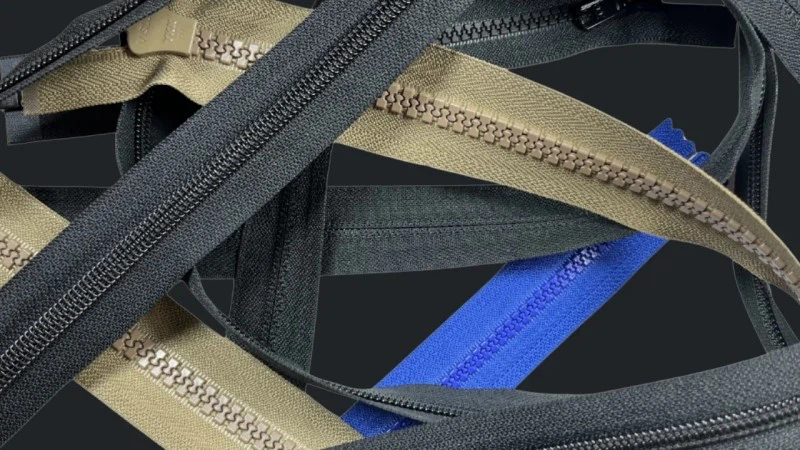
What Are YKK Waterproof Zippers?
YKK is a Japanese zipper manufacturer that holds a significant share of the global zipper market and is widely recognized for its engineering consistency and quality control. For waterproof applications, YKK offers specialized zipper solutions designed to block moisture from entering sensitive gear. Their most commonly used waterproof technologies include:
YKK AquaGuard
AquaGuard is a water-resistant plastic or nylon zipper with a laminated backing that creates a protective barrier against moisture. The laminated surface helps reduce water penetration while maintaining a relatively smooth opening and closing experience, making it popular for backpacks, bike bags, and outdoor apparel.
YKK AquaSeal
AquaSeal is a fully waterproof zipper system in which the zipper teeth are completely sealed beneath a waterproof tape. This construction creates a near-total moisture barrier and is commonly used in high-end dry bags, expedition backpacks, and marine-grade gear where submersion resistance is required.
In real-world outdoor use, waterproof bags equipped with YKK zippers consistently demonstrate strong resistance to heavy rain and prolonged exposure to wet conditions, maintaining dry interiors even during extended outdoor activities.
Advantages of YKK Zippers for Waterproof Bags
1. Superior Water Protection
YKK waterproof zippers are engineered with multiple layers of protection that work together to reduce water intrusion. These include laminated backings that block moisture, tightly interlocking zipper teeth that limit capillary action, and surface treatments that encourage water to bead and roll off rather than seep inside.
2. Enhanced Durability
One of the strongest advantages of YKK zippers is their long-term durability. They are designed to withstand thousands of opening and closing cycles without compromising performance. YKK zippers also resist abrasion from sand and dirt, perform reliably in saltwater environments, and maintain smooth functionality across a wide temperature range, from freezing cold to intense heat.
3. Precision Engineering
YKK zippers are widely appreciated for their consistent feel and mechanical precision. The sliding action is smooth and controlled, the zipper provides clear feedback when fully closed, and sizing tolerances remain consistent across production batches. This reliability is particularly valuable for manufacturers producing waterproof bags at scale.
4. Integration with Waterproof Systems
YKK waterproof zippers are designed to work seamlessly with other waterproofing elements such as seam sealing, TPU-laminated fabrics, and waterproof membranes. When integrated correctly, they help bags achieve higher waterproof performance levels, whether the goal is splash resistance or full submersion protection. Importantly, they maintain performance even when the bag is under compression or load stress.
Limitations of YKK Zippers
1. Higher Cost
Compared with similar-quality alternatives, YKK waterproof zippers typically come with a noticeable price premium. This higher cost reflects tighter manufacturing tolerances, higher-grade materials, and long-term investment in research and development. For large production runs, this cost difference can significantly affect overall product pricing.
2. Potential Over-Engineering
In some applications, YKK waterproof zippers may offer more performance than is actually required. For everyday urban use, commuting backpacks, or light outdoor activities, a standard water-resistant zipper can often provide sufficient protection without the added expense of a fully waterproof system.
3. Maintenance Requirements
To maintain optimal performance, waterproof zippers require some basic care. Regular cleaning helps prevent dirt buildup in the zipper teeth, and occasional lubrication with zipper-specific wax can extend service life. Improper handling or excessive force may damage the waterproof coating over time.
YKK vs. Other Zipper Brands
1. YKK vs. Standard Zippers
Compared with standard zippers, YKK waterproof zippers provide noticeably better resistance to water penetration, longer service life, and more consistent performance across different production batches. These differences become especially apparent in prolonged wet environments.
2. YKK vs. Other Premium Brands
When compared with other premium zipper brands, YKK generally delivers comparable waterproof performance while offering smoother operation and broader material innovation options, including environmentally conscious materials. YKK's global supply network also makes it easier to source consistently across different regions.
3. YKK vs. Budget Alternatives
Budget zippers are significantly cheaper, but they often show higher failure rates when exposed to moisture, dirt, or repeated stress. While they may be acceptable for low-cost or short-lifecycle products, they are less suitable for demanding waterproof applications where reliability is critical.

When Is YKK Essential for Waterproof Bags?
Based on long-term manufacturing and field experience, YKK waterproof zippers are most worth the investment in the following situations:
Professional-Grade Waterproofing Requirements
YKK is highly recommended for dry bags designed for submersion, products requiring high waterproof ratings, and equipment intended for marine or saltwater environments.
Extreme Outdoor Conditions
In environments such as high-altitude mountaineering, multi-day wilderness expeditions, or extreme cold regions, zipper failure is not an option. In these cases, YKK's durability and sealing performance provide valuable reliability.
Long-Term Product Value
For products designed to last five years or more, or for equipment where repairs are costly or impractical, YKK zippers help reduce total cost of ownership by minimizing failures and replacements.
Premium Brand Positioning
High-end outdoor brands, technical gear lines, and products competing in the premium market often choose YKK to meet customer expectations and support their quality claims.
Conclusion: Are YKK Zippers Worth It?
For serious outdoor users and professional applications, YKK waterproof zippers offer clear performance advantages that justify their higher cost.
For backpackers and hikers, they are worth the investment on multi-day trips where gear protection is critical.
For cyclists, they are especially valuable for waterproof panniers and bikepacking bags exposed to constant rain and road spray.
For casual users, YKK zippers may be unnecessary for everyday urban use with only occasional rain exposure.
When viewed from a long-term perspective, the higher upfront cost of YKK zippers is often offset by fewer failures, reduced maintenance, and extended product lifespan. While cheaper alternatives may save money initially, they frequently require replacement multiple times over the life of a bag.
Ultimately, if a waterproof bag is expected to perform reliably in demanding conditions and withstand years of use, YKK waterproof zippers represent a practical investment in durability and peace of mind. For less intensive use cases, the best choice depends on balancing real-world needs with cost considerations.