


Are leather backpacks waterproof
Apr 29, 2025
Leave a message
Leather backpacks, with their high-end texture and fashionable appearance, have long been regarded as one of the selling points of high-end backpack brands. At the same time, due to their good anti-wear performance, they are very suitable as materials for making outdoor backpacks. However, in the face of rainy or damp environments, many users can't help but worry whether their leather backpacks have waterproof performance. As a professional manufacturer of waterproof backpacks, we have a thorough understanding of the waterproof performance of different materials. To help you better understand which material to choose for your waterproof backpack, this article will comprehensively introduce to you the waterproof performance of leather backpacks.
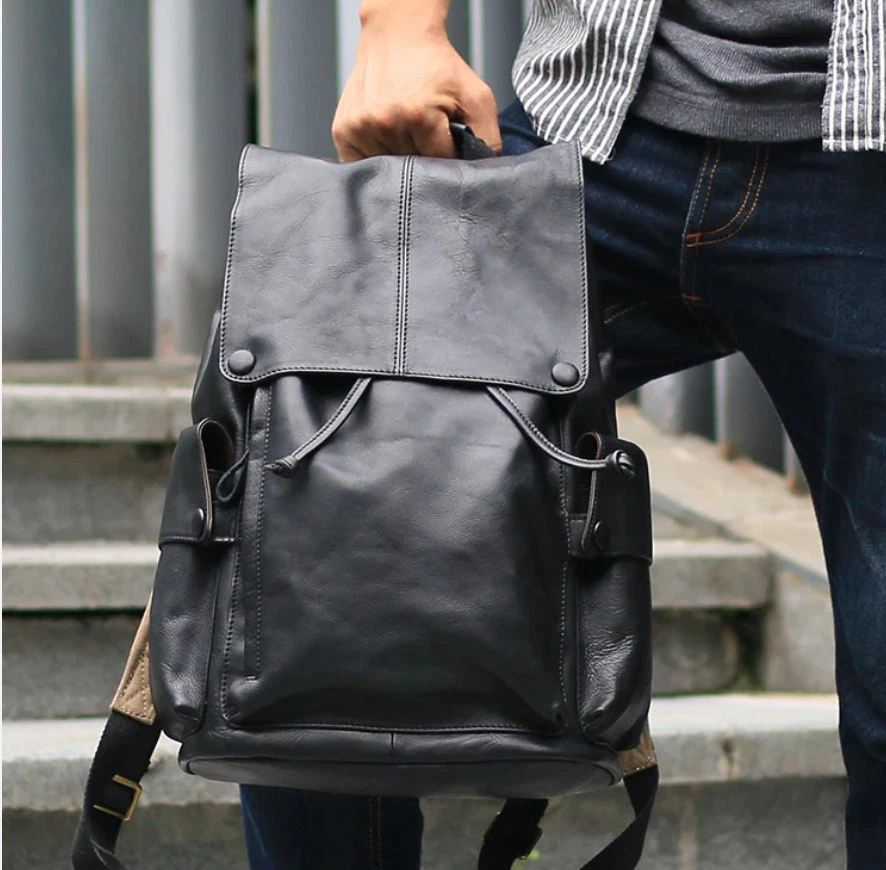
Is Leather Naturally Waterproof?
Leather, by its very nature, is not fully waterproof. As a material derived from animal hide, leather retains a porous structure that allows it to breathe and flex, contributing to its strength and comfort. However, this porosity also means that leather can absorb moisture when exposed to water.
While high-quality leather such as full-grain and top-grain types demonstrates a greater degree of water resistance compared to synthetic materials or lower-grade leathers, even these premium options are not inherently waterproof. Prolonged exposure to water without proper protection can lead to the leather stiffening, losing its supple texture, or even developing cracks and stains over time.
Understanding this natural limitation is crucial for users who intend to use leather backpacks in variable weather conditions. While leather can offer moderate protection against light rain or splashes, additional measures are necessary to maintain its integrity and appearance over the long term.
Different Types of Leather and Their Water Resistance
Not all leathers offer the same level of water resistance. The type of leather used in a backpack significantly influences how it responds to moisture:
● Full-Grain Leather
Full-grain leather is sourced from the top layer of the hide and retains its natural grain. It is the most durable and naturally water-resistant type of leather available. However, even full-grain leather benefits from occasional treatment to maintain and enhance its resistance to water penetration.
● Top-Grain Leather
Slightly more processed than full-grain, top-grain leather offers a smooth, uniform appearance and reasonable water resistance. It is well-suited for everyday use but still requires regular care to withstand heavy exposure to moisture.
● Genuine Leather
Genuine leather, often made from the lower layers of the hide, offers less durability and water resistance compared to full-grain and top-grain options. Backpacks made from genuine leather typically require protective coatings to perform adequately in damp conditions.
● Suede and Nubuck
These materials, made from the underside of the hide, are highly sensitive to water. Their soft, velvety textures make them vulnerable to staining, discoloration, and degradation when exposed to moisture. Suede and nubuck backpacks are best kept dry and should be treated with specialized waterproof sprays if outdoor use is anticipated.
● Faux Leather
Faux leather is a synthetic material primarily composed of plastics. It is inherently waterproof due to its non-porous nature, although it lacks the natural texture, durability, and aging qualities of real leather.
Recognizing the differences between these materials helps users make informed decisions about care routines and expectations for water performance.
Waterproof vs Water-Resistant : What's the Difference?
In discussions about leather protection, the terms "waterproof" and "water-resistant" are often used interchangeably but have distinct meanings.
- Waterproof refers to materials that are completely impervious to water under prolonged exposure. True waterproof leather products typically involve heavy surface treatments or synthetic coatings, which can alter the leather's natural look and feel.
- Water-Resistant indicates a material's ability to resist water penetration to a certain extent. High-quality leather, particularly when properly treated, can repel water effectively during short-term exposure, such as a light rain shower. However, it may absorb water if saturation persists.
For leather backpacks, achieving full waterproofing usually involves a compromise between maintaining natural aesthetics and enhancing functional protection. Most manufacturers and users prioritize water resistance improvements through wax treatments, conditioners, or sprays to balance preservation of leather character with practical utility.
How to Make Your Leather Backpack More Water-Resistant
While natural leather will never be entirely waterproof, its ability to resist water can be significantly enhanced through appropriate treatments. The two most effective methods include:
● Leather Wax Application
Leather wax creates a physical barrier on the leather's surface, preventing water molecules from easily penetrating the pores. To apply leather wax:
- Ensure the backpack surface is clean and dry.
- Apply a small amount of wax in circular motions using a soft cloth.
- Allow the wax to dry naturally for approximately 30 to 60 minutes.
- Buff gently with a dry cloth to remove excess wax and achieve a uniform finish.
Using a hairdryer on a low setting can help set the wax, but care must be taken to avoid overheating, which could damage the leather.
● Leather Conditioner Application
Leather conditioners work differently from waxes; they are absorbed into the leather to maintain suppleness and prevent cracking. Conditioners also contribute to improved water resistance by preserving the leather's natural oils.
- Dampen the leather slightly with a clean, soft cloth.
- Apply the conditioner evenly using small circular motions.
- Allow the leather to absorb the conditioner naturally.
- Remove any excess to prevent surface residue.
Regular conditioning, particularly before rainy seasons, helps ensure the leather maintains optimal performance and appearance.
What Happens If Your Leather Backpack Gets Wet?
Despite best efforts, leather backpacks may occasionally get wet. Proper handling in these situations is critical to prevent lasting damage:
● Immediate Water Removal
Use a clean, dry cloth to gently blot (not rub) the surface and absorb as much moisture as possible.
● Natural Air Drying
Let the backpack air dry at room temperature, away from direct heat sources such as radiators or sunlight, which can cause shrinkage and deformation.
● Post-Drying Conditioning
Once the leather is nearly dry, apply a leather conditioner to replenish lost oils and prevent the material from becoming brittle.
● Avoid Over-Drying
Leather that dries too quickly without proper care may develop hard textures and cracking, compromising the backpack's structure and aesthetics.
Maintenance Tips to Protect Your Leather Backpack
Consistent maintenance is key to preserving the water resistance, flexibility, and longevity of leather backpacks. Recommended practices include:
● Regular Treatment
Reapply leather wax or conditioners every 3 to 6 months, or more frequently if the backpack is often exposed to wet environments.
● Proper Storage
Store the backpack in a cool, dry, and well-ventilated area. Use breathable dust bags and avoid plastic covers that can trap moisture.
● Avoid Prolonged Water Exposure
Whenever possible, minimize exposure to heavy rain or damp environments. If extended outdoor use is necessary, consider using an additional rain cover.
● Prompt Cleaning
Wipe away dirt and moisture immediately after exposure to maintain the leather's surface integrity.
● Periodic Inspections
Check for signs of wear, cracks, or water spots and address them promptly with appropriate treatments.
By adhering to these maintenance practices, users can maximize the functional life and aesthetic appeal of their leather backpacks, ensuring reliable performance across a range of conditions.
Conclusion
Although leather backpacks are not inherently waterproof, high-quality leather (such as full-grain leather and top-grain leather) has remarkable waterproof performance when properly maintained. By using leather wax, care agents and waterproof sprays, the waterproof performance of leather backpacks can be enhanced even at home. Contact us now to learn more about waterproof backpacks. ( kathy@flwaaa.com )

.