


Are nylon backpacks waterproof?
Jun 26, 2026
Leave a message
Nylon backpacks dominate the market, yet many buyers still wonder if they actually keep water out. The short answer is: most nylon backpacks are water-resistant but not fully waterproof. They handle light rain and splashes reasonably well, but heavy rain, prolonged exposure, or submersion often leads to leaks through seams, zippers, and untreated areas.
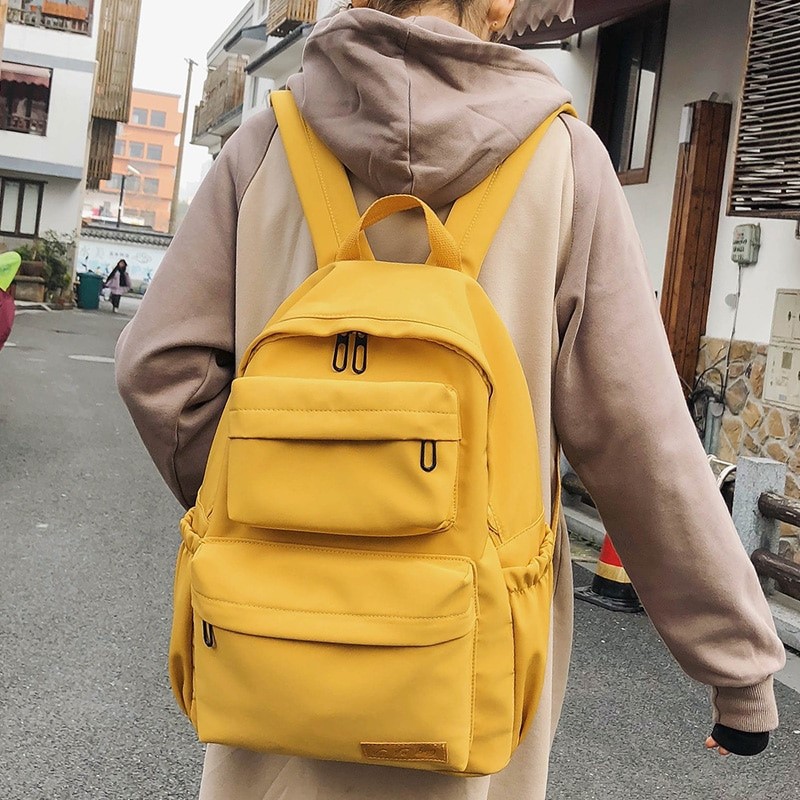
Are Nylon Backpacks Waterproof? The Direct Answer
Nylon backpacks are usually water-resistant, not fully waterproof. They can manage light rain or splashes for a short time, but true waterproof performance depends on coatings, laminated fabric, sealed seams, waterproof zippers, roll-top closures, and finished backpack construction.
Without proper treatments, plain nylon fabric absorbs moisture quickly. Water finds its way through needle holes from stitching, gaps around zippers, and stress points where the material flexes. This matters most for users carrying laptops, cameras, or important documents. A sudden downpour can turn a dry commute into a damaged electronics problem within minutes.
Why Nylon Is Used for Backpacks If It Is Not Fully Waterproof
Manufacturers choose nylon for its excellent balance of weight, strength, and cost. It offers high tensile strength, resists abrasion, and accepts coatings well. These traits make it ideal for daily commuters, hikers, and travelers who need durable yet lightweight gear.
Different nylon types serve specific needs. Ripstop nylon uses a reinforced grid to stop tears from spreading, common in lightweight hiking packs. Ballistic nylon delivers thicker, tougher construction for heavy-duty use like travel or tactical bags. Higher denier counts (such as 600D or 1000D) increase thickness and durability, but they do not automatically improve water protection.
Nylon's real advantage lies in how easily factories can apply coatings and laminations. This turns a naturally absorbent material into something practical for outdoor use. The base fabric provides structure while treatments handle the water.
Water-Repellent, Water-Resistant, and Waterproof: What Is the Difference?
These three terms get mixed up constantly. Understanding the differences helps avoid buying the wrong pack.
Water-Repellent Nylon DWR (Durable Water Repellent) treatment creates a surface where water beads and rolls off. This works for light drizzle or accidental splashes. However, DWR wears down after repeated use, washing, or abrasion. After a few months of regular carry, the effect weakens noticeably.
Water-Resistant Nylon Backpacks These packs handle short exposure to moisture, such as walking in light rain or light splashes. They suit daily commuting and casual outdoor activities but fail in sustained heavy rain. Water eventually penetrates seams or saturates the fabric.
Waterproof Backpacks True waterproof construction protects contents even in heavy rain or brief submersion. This requires coordinated efforts across the entire product: coated or laminated fabric, taped or welded seams, waterproof zippers, and sealed openings. A single weak point compromises the whole system.
What Actually Makes a Nylon Backpack More Waterproof?
Waterproof performance comes from engineering details, not just the word "nylon" on the label.
Fabric Coatings and Laminations
- DWR: Surface treatment only, good for initial repellency.
- PU coating: Lightweight, flexible, and affordable. Common on mid-range travel and laptop backpacks. Handles moderate rain but can crack over time.
- TPU coating or lamination: Offers superior waterproofing and flexibility. Preferred for serious outdoor and water sports use because it bonds better and resists delamination.
- PVC coating: Extremely waterproof but heavier and stiffer. Less popular now due to weight and environmental concerns.
Seams, Stitching Holes, and Taped Construction Standard stitching creates thousands of tiny holes. These become leak points under pressure. Factories improve performance by applying seam tape, using heat sealing, or switching to high-frequency welding. Taped or welded seams make the biggest difference between a pack that survives a storm and one that fails.
Zippers, Roll-Top Closures, and Openings Regular zippers leak easily. Waterproof zippers with rubber coatings or protective flaps perform better. Roll-top closures eliminate zipper issues entirely and create a tighter seal, making them popular for higher-protection designs. Bottom openings and external pockets also need careful sealing.
Wear, Aging, and High-Friction Areas Shoulder straps, base corners, and handle attachment points suffer the most abrasion. Coatings degrade faster in these zones. Packs left in hot cars or folded repeatedly show faster failure in waterproof layers.
Regular Nylon vs Coated Nylon vs TPU Waterproof Backpacks
| Backpack Type | Water Protection | Best For | Main Limitation |
|---|---|---|---|
| Regular nylon backpack | Low to moderate | Daily use, school, light travel | Not reliable in rain |
| DWR nylon backpack | Light water repellency | Commuting, short rain exposure | DWR wears off quickly |
| PU-coated nylon backpack | Moderate water resistance | Travel, outdoor daypacks, laptop bags | Seams and zippers may still leak |
| TPU-coated nylon backpack | Higher water protection | Cycling, hiking, wet environments | Higher cost |
| TPU welded waterproof backpack | Very high protection | Kayaking, boating, fishing | Less breathable, more technical |
Choose based on actual conditions rather than marketing claims.
Can You Use a Nylon Backpack in Rain, Hiking, or Water Sports?
Daily Commuting and Laptop Carry PU-coated nylon with DWR usually suffices for city use. Add waterproof zippers and a laptop sleeve for better protection. A separate rain cover provides extra insurance during sudden showers.
Hiking and Outdoor Travel For day hikes, PU or light TPU coated nylon works when combined with a rain cover. Multi-day trips in unpredictable weather demand taped seams and roll-top options to handle sustained rain without adding excessive weight.
Cycling, Motorcycle, and Heavy Rain Moving at speed increases water pressure. Standard nylon packs often fail here. TPU-coated versions with roll-top closures or waterproof zippers deliver better results. Motorcycle riders especially need robust construction because of constant vibration and high exposure.
Kayaking, Fishing, Boating, and Water Sports Ordinary stitched nylon backpacks are not suitable. Use TPU laminated fabric with fully welded seams and roll-top or airtight zippers. These dry bag style constructions keep gear safe even after accidental immersion.
How to Tell If a Nylon Backpack Is Truly Waterproof
Check the Fabric Description Look beyond "nylon" or "waterproof nylon." Specific terms like 210D TPU-coated nylon or 600D PU laminated fabric give real clues. Vague descriptions usually mean basic water resistance at best.
Check the Seams and Construction Inspect for taped seams or welded construction. If the product only mentions "double stitching," assume it will leak under heavy rain.
Check the Zipper and Closure System Waterproof zippers and roll-top designs signal serious intent. Standard zippers indicate lighter use.
Ask About Testing Reliable suppliers provide details on hydrostatic head tests, spray tests, or full-product rain chamber testing. Fabric tests alone do not guarantee finished product performance.
Practical buyer checklist:
- What coating is used?
- Are seams taped or welded?
- What zipper type and closure system?
- Has the complete backpack been tested?
- What real-world conditions is it designed for?
Manufacturer's Advice: Choose Waterproof Design Based on the Use Case
Stop asking whether nylon is waterproof. Ask instead what level of protection your specific product needs.
Daily commuter bags prioritize light weight and cost with PU-coated nylon. Hiking packs need balanced durability and weather resistance. Cycling and motorcycle bags require stronger TPU and secure closures. Water sports demand fully welded TPU constructions.
At FENGLINWAN, we develop custom solutions based on target use cases. We help brands select the right nylon type, coating, seam technology, and closure systems for their market.
FAQ
Is 100% nylon waterproof?
No. Pure nylon needs coatings and proper construction to offer meaningful water protection.
Are coated nylon backpacks waterproof?
Better than uncoated, but coatings alone do not make a fully waterproof pack. Seams and zippers must match the fabric performance.
Can a nylon backpack protect a laptop from rain?
In light rain with proper coatings and zippers, yes. For reliable protection, choose higher-spec construction plus a rain cover.
Do waterproof treatments on nylon backpacks wear off?
Yes. DWR fades with use and washing. PU and TPU layers also degrade over years of heavy use and exposure.
What is the best material for a waterproof backpack?
TPU-coated or laminated nylon with welded seams performs best for most demanding applications.
Conclusion: Nylon Backpacks Can Resist Water, But Construction Decides Waterproof Performance
Nylon backpacks provide good water resistance when properly engineered, but they are not waterproof by default. The difference between getting wet and staying dry comes down to coatings, seams, zippers, and overall construction.
If you are developing nylon backpacks, TPU waterproof backpacks, or dry bag styles for your brand, FENGLINWAN can support your project with material selection, technical construction, and custom manufacturing. Contact us to discuss your specific requirements.