


The Ultimate Guide to Different Types of Backpacks (2026 Edition)
Apr 17, 2026
Leave a message
Backpacks are part of everyday life. We use them for commuting, school, travel, and outdoor adventure to carry the items we need with us. But different use scenarios call for different backpack designs and types. Whether you are an everyday consumer or a backpack brand owner, distributor, or reseller, understanding the differences between backpack types helps you better identify your own purchasing needs and those of your customers.
Different Types of Backpacks Explained
In practical terms, backpack types are defined by their carry scenario. Some are built for daily organization. Some are built for movement. Some are built for load transfer. A few are built for weather exposure first and everything else second. That is the real distinction.
Standard Backpack / Daypack

A standard backpack, often called a daypack, is the most common general-purpose format. It usually has one main compartment, one or two external pockets, shoulder straps, and a simple soft structure without a heavy frame. Capacity is often in the 15L to 30L range.
This type works for daily carry because it is flexible. It can handle notebooks, light clothing, chargers, lunch, a water bottle, and other everyday items without forcing the user into a highly specialized layout. It is also the backpack most people grow up with, so the user expectations are clear.
A daypack is a good choice for:
- daily errands
- light school use
- casual city use
- short outings
Its limitation is just as clear. Once the load becomes heavier, more technical, or more sensitive to weather, the standard backpack starts to show its limits. Back support is usually basic. Organization is moderate. Protection is general, not specialized. For many users that is enough. For specific jobs, it is not.
A daypack is the baseline product in the category. Everything else in this guide can be understood as a modification of that baseline for a more specific use case.
Laptop Backpack
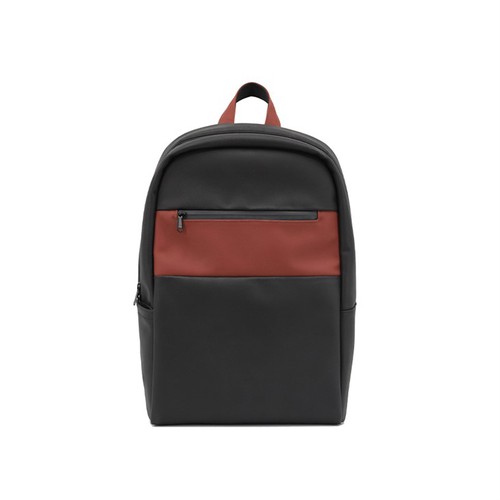
A laptop backpack is a daily-use backpack with one critical design priority: protecting and stabilizing electronic devices. The defining feature is not simply that it can fit a laptop. Many bags can do that. The defining feature is a dedicated padded compartment designed around device size, impact protection, and controlled movement inside the bag.
A well-designed laptop backpack usually includes a suspended or cushioned laptop sleeve, accessory pockets for chargers and cables, document storage, and quick-access areas for small electronics. It often has cleaner lines than an outdoor pack because the intended environment is office, campus, airport, or home-to-work commuting.
What matters in this category:
- laptop size compatibility
- padding quality and sleeve placement
- internal organization for work items
- easy access without disturbing the whole load
A laptop backpack is not automatically a business backpack. Some laptop backpacks are casual, some are sporty, and some are made for hybrid work-travel use. The common denominator is device protection. If electronics are central to the user's daily carry, that feature should come first in the selection process.
School Backpack

A school backpack is designed around repeated daily use, moderate to heavy paper load, and simple organization for books, stationery, lunch, and personal items. In many cases, it overlaps with the laptop backpack, especially for older students. The difference is that the school backpack usually prioritizes volume efficiency and durability for routine use over a more structured office layout.
This category often includes multiple compartments, side bottle pockets, padded straps, and abrasion-resistant fabric. The design target is practical rather than refined. It needs to survive buses, hallways, lockers, classroom floors, and daily overpacking.
The best school backpacks handle:
- books and binders
- tablets or laptops
- lunch and water bottles
- repeated opening and closing through the day
School backpacks do not need technical load transfer, but they do need solid seam construction and stable shoulder strap attachment. That is where cheaper products often fail first. In school use, fatigue comes from repetition. The backpack has to hold up to that.
Commuter / Business Backpack

A commuter or business backpack is built for professional daily movement. That usually means office access, public transport, short walking distances, electronics carry, and a cleaner visual profile. Compared with a school backpack, the layout is more controlled. Compared with a daypack, the access points and organization are usually more intentional.
Common features include a laptop compartment, admin pockets, hidden valuables pocket, luggage strap, and a water bottle pocket that does not ruin the bag's silhouette. In better designs, the back panel is shaped for urban use rather than heavy load transfer. The bag stays close to the body, loads quickly, and moves through transit spaces without feeling oversized.
This type makes sense for users who carry:
- a laptop and charger
- documents or notebooks
- daily personal items
- occasional travel accessories
A commuter backpack should feel efficient, not tactical. If it is overloaded with straps, webbing, or bulky outdoor hardware, it tends to miss the point. The user wants access, order, and a professional profile. That should guide the design.
Travel Backpack

A travel backpack is designed for short to medium trips where packing efficiency and access matter more than trail performance. In the market, this category often sits between 20L and 40L, though there are larger versions. The key difference from a general daypack is not just size. It is how the bag opens and organizes.
Travel backpacks often use clamshell or panel-loading openings so clothing and travel gear can be packed more like luggage. Compression straps help stabilize the load. Internal compartments separate shoes, devices, toiletries, or clothing. Many also include luggage pass-through, lockable zippers, and carry-on-friendly proportions.
A travel backpack is best for:
- weekend trips
- short business travel
- carry-on use
- city-based travel with frequent packing and unpacking
This category is often confused with hiking or backpacking packs. They are not the same. Travel backpacks are built for transport systems, hotels, airports, and urban movement. They are not designed first for long-distance comfort under uneven load or for carrying camping gear over hours on trail. That distinction matters when the user starts packing heavier or more technical equipment.
Hiking Backpack

A hiking backpack is designed for moving outdoors on foot over several hours, usually on day hikes or short outdoor routes. The engineering focus shifts here. The backpack needs better weight distribution, better ventilation, and a more stable connection to the body.
That is why hiking backpacks often include sternum straps, hip belts, shaped shoulder straps, breathable back panels, trekking pole attachment points, and hydration compatibility. The volume is usually enough for water, insulation, food, first aid, and extra layers, but not necessarily overnight camping gear.
What sets a hiking backpack apart:
- more stable fit during movement
- better airflow against the back
- outdoor-oriented pocket and attachment layout
- support features that reduce shoulder fatigue
A hiking backpack may look similar to a larger daypack, but the difference shows up after two or three hours of real use. A true hiking pack moves less, carries better, and manages outdoor essentials more efficiently. For day hiking, that is the right tool.
Trekking / Backpacking Backpack
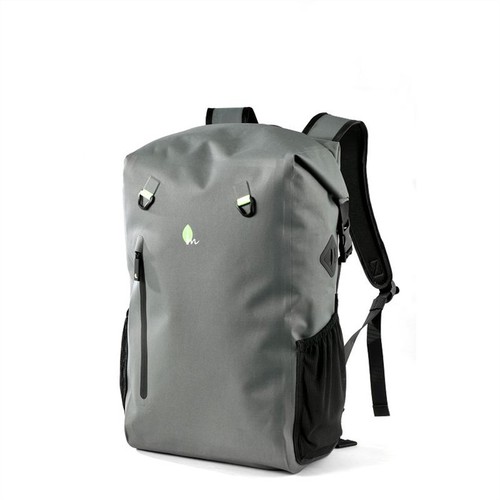
A trekking or backpacking backpack is meant for multi-day use. The category exists because once the user starts carrying shelter, cooking items, sleeping gear, extra food, and additional clothing, the design problem changes. Capacity alone does not solve it. Support and load transfer become the main issue.
These backpacks are larger, often in the 40L to 70L+ range, and usually include a more substantial frame or internal support structure. They also use load lifters, a stronger hip belt system, external gear attachment points, and compartment layouts meant for longer trips. Some include separate sleeping bag sections or bottom access.
This type is designed for:
- multi-day hiking
- camping trips
- long-distance trekking
- backcountry load carry
This is not a bigger travel backpack. That is a common mistake. A backpacking pack is not primarily about packing neatly for transport. It is about carrying heavy, irregular outdoor loads over distance with less fatigue and better balance. If the user is walking all day with gear, this is the category that deserves attention.
Mountaineering / Climbing Backpack

A mountaineering or climbing backpack is a specialized outdoor pack designed for technical terrain, vertical movement, alpine conditions, or snow-and-rock environments. The shape is usually narrower and more streamlined than a general trekking pack because the user needs freedom of movement and less external snagging.
These backpacks often include ice axe loops, rope carry options, reinforced high-wear areas, glove-friendly hardware, and a body-hugging profile. Depending on the use case, they may also prioritize weather resistance and simpler external forms to reduce interference during climbing.
This category is appropriate for:
- alpine climbing
- mountaineering
- technical winter routes
- specialized outdoor teams
For a general buyer, this is not usually the starting point. It is a performance niche. But it matters because it shows how backpack design changes when the environment becomes less forgiving. In that scenario, a few structural details can matter more than five extra pockets.
Hydration Backpack

A hydration backpack is a lightweight pack built around rapid-access water carry during movement. The core feature is compatibility with a hydration reservoir and drinking hose, often integrated into a compact structure that stays close to the body.
This category is common in trail running, cycling, fast hiking, and shorter outdoor activity where speed and low bulk matter more than large storage volume. The pack usually carries water, a few tools, light clothing, and small essentials.
It is a strong fit for:
- cycling
- trail running
- fast day hikes
- race or training environments
A hydration backpack is not a replacement for a general hiking pack when the equipment list grows. Its job is narrower. That is why it works so well. It removes unnecessary bulk and keeps the user moving.
Drawstring Backpack

A drawstring backpack is a lightweight bag with a simple main compartment closed by a drawcord. The straps are often part of the closure system. This format is inexpensive, compact, and easy to store, which is why it is widely used for gym clothing, spare shoes, swim gear, and promotional applications.
Its strengths are obvious: low weight, low cost, and fast access. Its weaknesses are just as obvious. There is little structure, little padding, limited weather protection, and minimal load support. Once the contents become heavy or fragile, the format becomes less comfortable and less reliable.
A drawstring backpack is practical for:
- gym kit
- pool or beach essentials
- backup packing
- short, light carry
It works best as a secondary bag, not as a primary equipment bag. That is the right expectation to set.
Sling Bag

A sling bag uses a single-strap carry system across one shoulder or across the body. Strictly speaking, not every sling bag is a backpack, but users often compare the two because both serve lightweight mobile carry.
The advantage is access. A sling bag can be rotated to the front quickly. For users carrying only a phone, wallet, keys, passport, power bank, and a few small items, that convenience is real. The limitation is load stability and load capacity. A single-strap system is not ideal for heavier carry over longer periods.
This format suits:
- urban daily carry
- travel documents and valuables
- minimalist commuting
- short-duration use
When the carry list is small and access matters most, the sling bag is useful. When the load grows, a two-strap backpack remains the better engineering solution.
Duffel Backpack
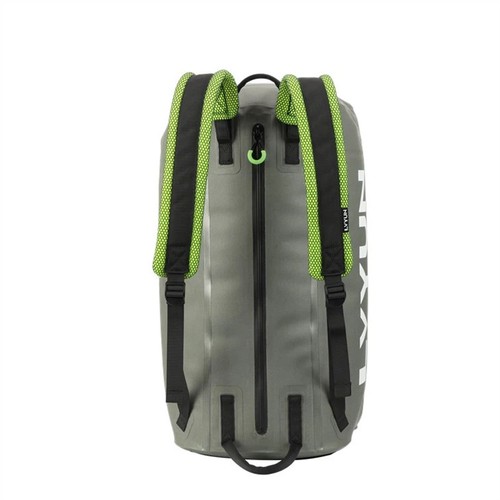
A duffel backpack combines a duffel bag's open packing style with backpack straps. This makes it useful for users who want larger-volume packing without always carrying by hand. The category performs well in gyms, sports environments, overnight travel, and expedition support use.
The structure often includes a large main compartment, fewer fixed dividers than a travel backpack, and strap systems that allow both backpack carry and hand carry. Some versions are soft and simple. Others are rugged and highly weather-resistant.
This type is useful for:
- sports gear
- gym use
- overnight travel
- flexible gear hauling
A duffel backpack is less about fine organization and more about volume and carry flexibility. For the right user, that is an advantage, not a compromise.
Anti-Theft Backpack

An anti-theft backpack is designed to reduce opportunistic theft in crowded or transit-heavy environments. The market usually defines this category by hidden zippers, concealed pockets, lockable openings, slash-resistant panels, or cut-resistant strap elements.
Its main purpose is not heavy-duty outdoor use. It is security during travel and daily commuting. In dense urban settings or tourist traffic, that can be a legitimate buying priority.
Good use cases include:
- city commuting
- public transit
- international travel
- crowded tourist areas
It is worth being practical here. Anti-theft features can improve security, but no backpack is theft-proof. This category should be seen as risk reduction through design, not a total security solution.
Waterproof Backpack
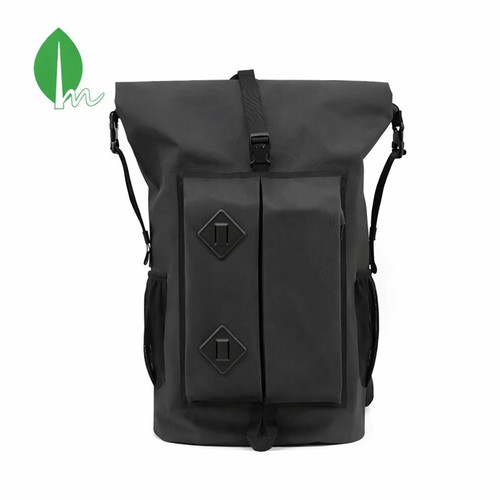
A waterproof backpack is built to protect contents from sustained exposure to rain, splashing, wet surfaces, or, depending on construction, brief contact with water. In the industry, this category is often misunderstood because many products marketed as "waterproof" are only water-resistant at the fabric level.
A true waterproof backpack relies on more than coated fabric. It usually depends on a system: roll-top closure or sealed zipper construction, welded or sealed seams, low-leak access points, and shell materials designed for wet environments. This category is especially relevant for boating, fishing, kayaking, beach use, wet-weather hiking, and any work or travel where dry gear is non-negotiable.
Key construction elements often include:
- roll-top closure
- welded seams
- waterproof zippers
- coated shell materials such as TPU-laminated or similar waterproof fabrics
- abrasion-resistant base and contact zones
This is where a manufacturer's background matters. From a product standpoint, waterproof performance is not created by marketing language. It comes from pattern design, seam treatment, closure integrity, material compatibility, and quality control during production. If the environment is consistently wet, the backpack must be engineered for that environment from the start.
The core judgment is simple: once moisture exposure becomes part of the use case, weather protection is no longer a secondary feature. It becomes the product category.
Backpack Capacity Guide: What Size Backpack Do You Need?
Backpack capacity is usually measured in liters. That number tells you the internal volume available for gear. It does not tell you everything, because shape, opening style, and pocket layout also affect usable space. Still, liters are the most practical starting point.
The ranges below reflect common market use rather than fixed rules.
| Capacity | Typical Use | Common Backpack Types | Practical Notes |
|---|---|---|---|
| 10L–20L | short outings, gym, minimal daily carry | sling bags, small daypacks, hydration packs | Good for essentials only. Not enough for bulkier clothing or long days. |
| 20L–30L | work, school, commuting, light day trips | daypacks, laptop backpacks, school backpacks | The most versatile daily-use range for most users. |
| 30L–40L | short travel, carry-on use, long day hikes | travel backpacks, larger hiking packs | Strong range for users who want one bag for both daily and occasional travel. |
| 40L–60L | multi-day trekking, camping, gear-heavy use | trekking packs, backpacking packs | Load support matters more here. Capacity without structure becomes uncomfortable. |
| 60L+ | extended expeditions, technical outdoor use | mountaineering packs, expedition packs | For specialized use. Usually excessive for everyday carry. |
A few practical points are worth stating clearly.
A 20L backpack can feel small or sufficient depending on the user's packing style. A 35L pack may fit as carry-on in one design and fail in another because of shape. A 50L outdoor pack may still feel manageable if the frame and hip belt are engineered well. So the number is useful, but it must be read together with the pack's intended job.
For most daily users, 20L to 30L is the safe center. For weekend travel, 30L to 40L is often enough. For multi-day outdoor carry, selection should shift from volume-first to support-first. Once you cross into larger loads, the suspension system becomes more important than the headline liter number.
How to Choose the Right Backpack for Your Lifestyle
Choosing the right backpack is easier when you stop comparing everything at once. Start with the user scenario, then narrow by load, organization, and protection level. That is how product teams do it internally, and it is the most reliable method for buyers too.
Start with the Main Use
The first question is not "Which backpack looks best?" It is "What is this backpack mainly for?"
If the main use is office and commuting, the decision should move toward laptop, commuter, or business formats. If the main use is short travel, then panel access, travel-friendly dimensions, and packing structure move higher. If the user is going outdoors for a full day, support and stability matter more. For multi-day load carry, the selection moves to trekking or backpacking models. For wet environments, waterproof construction becomes essential.
One backpack can cover two adjacent uses. It rarely covers five very different ones well.
Estimate the Real Load, Not the Ideal Load
Users often buy based on the heaviest possible scenario they imagine, not the load they actually carry most of the time. That is why oversized backpacks are so common in daily use.
A backpack should fit the normal load first:
- electronics and work items
- books and school items
- clothing for short travel
- outdoor gear, food, and water
- wet gear or water-sensitive equipment
When the load is heavier, check whether the pack has the right support system. A larger soft backpack without structure can feel worse than a slightly smaller backpack with a better back panel and hip belt.
Check Access and Organization
Good organization does not mean maximum pocket count. It means the access style matches the gear.
For work and commuting, users need separate device storage and quick-reach small-item pockets. For travel, they often need suitcase-style opening and controlled packing zones. For hiking, external access to water, layers, and trail items matters more than office-style dividers. For waterproof products, extra compartments sometimes matter less than closure integrity.
The best pocket layout is the one that reduces wasted motion in the target environment.
Look at Fit and Carry Comfort
This is where many buying decisions go wrong. Shoulder straps that look acceptable in product photos can fail under real load. The same applies to back panels that trap heat or hip belts that add bulk without real support.
Check these points carefully:
- shoulder strap shape and padding
- sternum strap presence and adjustment
- hip belt function on larger packs
- back panel breathability
- how closely the load sits against the body
Comfort is not a luxury feature. On a daily backpack it affects routine fatigue. On an outdoor pack it affects stability and safety.
Match the Material and Weather Protection to the Environment
Not every user needs full waterproof construction. Many do not. For city commuting and light rain, a water-resistant shell may be sufficient. For boating, fishing, wet job sites, beach transport, or repeated rain exposure, the decision changes.
This is also where product language needs to be read carefully. "Water-resistant" usually means the fabric can resist light moisture. It does not guarantee dry contents under prolonged exposure. "Waterproof" should mean the whole construction is designed to block water entry to a much higher level.
For brands and wholesale buyers, this distinction is important because end-user complaints often come from expectation gaps, not only from defects.
Keep Style in the Right Position
Style matters. Users want a product that fits where they use it. But style should come after job fit, not before it.
A clean commuter backpack makes sense in a professional environment. A technical outdoor pack makes sense on trail. A waterproof roll-top makes sense near water and in hard weather. Problems start when a bag is chosen for image while the load, access, or protection needs point in another direction.
The right backpack should look appropriate because it is appropriate. That is a more durable buying standard.
A good backpack choice follows a clear sequence: use case, load, access, comfort, and environment. Once those are correct, the visual preference becomes easy to settle.
FAQ
What is the most versatile type of backpack?
For most users, the most versatile type is a medium-size daypack or laptop-ready daypack in the 20L to 30L range. It works for commuting, light school use, short outings, and occasional day travel without becoming too specialized.
What size backpack is best for everyday use?
For daily use, 20L to 30L is the most practical range. It is large enough for essentials, electronics, and light extra clothing, but still compact enough for routine carry in city or work environments.
What is the difference between a travel backpack and a hiking backpack?
A travel backpack is designed for packing efficiency, transport, and easy access in airports, stations, and hotels. A hiking backpack is designed for comfort and stability during walking, usually with better support, ventilation, and outdoor-specific features.
Is a backpacking pack the same as a travel backpack?
No. A backpacking pack is meant for multi-day outdoor load carry. It usually has a stronger suspension system, larger capacity, and more technical support features. A travel backpack is better for organized packing and urban movement.
Are waterproof backpacks worth it?
They are worth it when moisture exposure is part of the real use case. If the user is around rain, wet gear, boats, beaches, or water-sensitive equipment, waterproof construction can prevent damage and reduce risk. If the environment is mostly dry urban commuting, water resistance may be enough.
Is water-resistant the same as waterproof?
No. Water-resistant means the material or finish can handle light moisture for a limited period. Waterproof means the backpack is engineered to block water much more effectively through material choice, seam construction, and closure design.
Which backpack is best for work and short travel?
A hybrid commuter-travel backpack in the 25L to 35L range is usually the best fit. Look for a padded laptop compartment, clean organization, and travel-friendly opening. It should perform like a work bag during the week and a short-trip bag when needed.
Final Thoughts
The backpack category looks simple from a distance. Up close, it is not. The differences between a daypack, a laptop backpack, a travel backpack, a hiking pack, and a waterproof outdoor pack are functional, not cosmetic. Once the use case becomes clear, the right choice usually becomes clear as well.
For daily carry, a clean 20L to 30L backpack covers most needs. For travel, access and packing structure take priority. For outdoor use, support and stability matter more. For wet conditions, waterproof construction stops being optional and becomes the core product requirement.
FENGLINWAN is a professional backpack manufacturer with its own independent factory. We specialize in the development and production of high-quality custom backpacks, with a strong focus on outdoor waterproof backpacks, laptop backpacks, commuter backpacks, travel backpacks, and functional everyday backpacks. We provide reliable OEM and ODM customization solutions for global brands, wholesalers, and e-commerce sellers. Contact us now to get samples and a wholesale quote.