

What is PVC Waterproof Coating? A Guide to Waterproofing Materials
Apr 10, 2026
Leave a message
PVC waterproof coating is a plastic-based layer applied to fabric that creates a solid, non-porous barrier against water. Manufacturers bond polyvinyl chloride (PVC) resin mixed with plasticizers and stabilizers onto a base fabric, usually polyester. The result is a tough, fully waterproof surface that can handle submersion and rough use better than many alternatives in the right situations. This article will be with you to understand what is PVC waterproof coating.

What is PVC waterproof coating
PVC waterproof coating refers to a layer of polyvinyl chloride applied to woven or knitted fabrics to make them completely watertight. The base material starts as a rigid plastic. Adding plasticizers turns it into a flexible film that bonds to polyester scrim or other textiles.
The process usually involves spreading or knife-coating the PVC compound onto the fabric, then curing it to form a continuous sheet. Unlike spray-on treatments that only repel water on the surface, PVC creates a physical barrier. Water simply cannot pass through the coating itself.
This is different from liquid-applied building paints or pre-made PVC roofing membranes. In outdoor gear, we're talking specifically about PVC-coated fabric - the kind used for roll-top dry bags, truck tarps turned into gear covers, and heavy-duty waterproof backpacks.

How Does PVC Waterproof Coating Work?
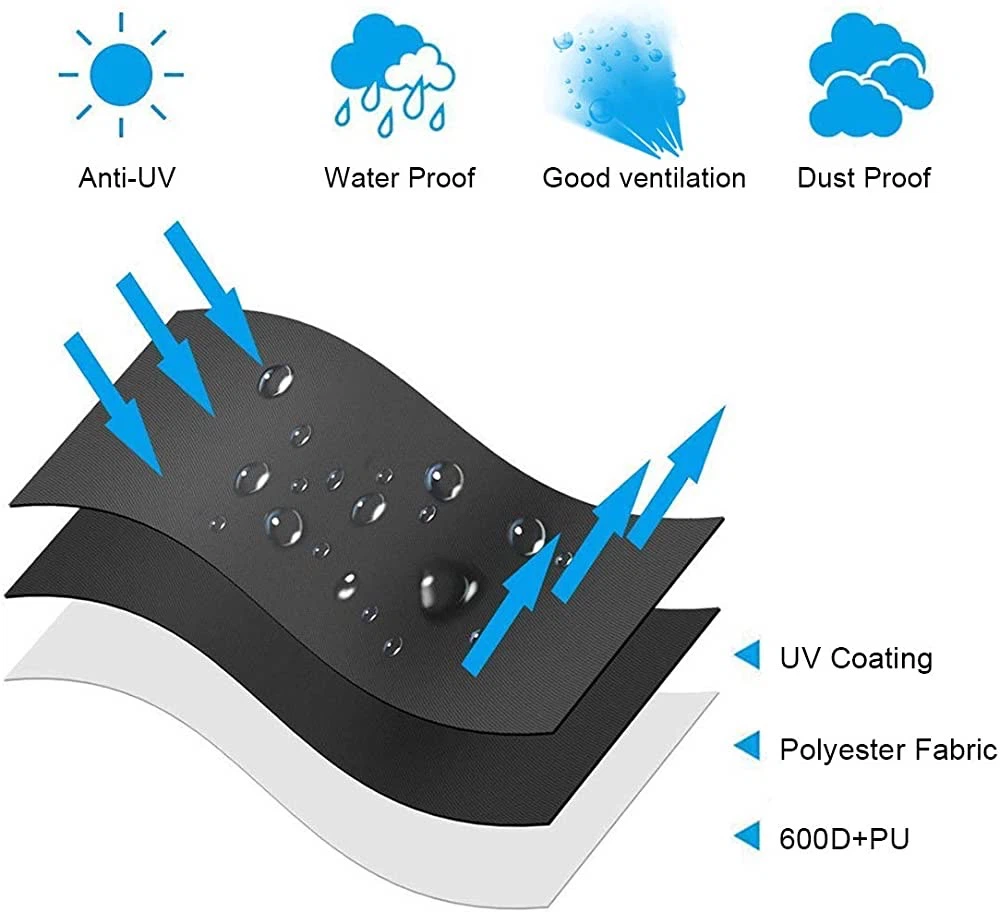
The coating works by forming an impenetrable film over the fabric fibers. Once applied and cured, it leaves no microscopic gaps for water molecules to sneak through. Good PVC coatings routinely test at 10,000 mm to 30,000 mm+ hydrostatic head pressure - far beyond what most rain will ever produce.
The real advantage shows up at the seams. Because PVC responds well to heat, factories can use hot-air or high-frequency welding to fuse panels together instead of stitching. Welded seams eliminate needle holes, which is why a properly made PVC dry bag can survive full submersion where stitched-and-taped bags eventually fail.
It also adds other practical benefits. The surface resists abrasion, punctures from branches or gear, and many chemicals or oils. UV stabilizers in modern formulations help slow down sun damage, though nothing lasts forever under constant exposure.
In short, PVC gives you a reliable, no-nonsense waterproof shell that prioritizes protection and durability over lightweight comfort.
Advantages of PVC Waterproof Coating
From our production floor, these are the reasons PVC remains a go-to material for many bag styles:
- It delivers full waterproof performance, including brief submersion (IPX7 or IPX8 levels when seams are welded correctly).
- The coating stands up to heavy abrasion and punctures better than lighter alternatives in rough conditions.
- Manufacturing cost stays relatively low, which helps keep final bag prices accessible for bulk or commercial use.
- The surface wipes clean easily and resists mildew when basic care is followed.
- Welded construction creates strong, consistent seams that hold up in marine or expedition environments.
We often choose PVC for large dry bags, river rafting packs, and work-site equipment bags where maximum water exclusion matters more than every gram of weight.
Disadvantages and Limitations
PVC is not perfect, and we tell customers that upfront.
It adds noticeable weight compared with lighter coatings. A PVC-coated bag often feels stiffer, especially when cold. Breathability is essentially zero, so it is not ideal for high-output activities where sweat buildup becomes an issue.
Environmental concerns exist around PVC production and disposal because of chlorine content and certain plasticizers. While formulations have improved, many brands now highlight PVC-free options for eco-conscious lines.
Over years of direct sun, standard PVC can yellow or lose some flexibility if the UV package is basic. Heavy-duty grades with better additives last longer, but nothing beats proper storage when the gear is not in use.
PVC vs PU vs TPU: Which Coating is Right for Your Bags?
Here's a practical comparison based on real outdoor bag performance:
|
Characteristic |
PVC |
PU |
TPU |
|
Waterproofing |
Excellent (thorough) |
Good |
Excellent |
|
Durability |
Excellent |
Good (may delaminate) |
Excellent |
|
Weight |
Heavy |
Light |
Medium |
|
Flexibility/Hand Feel |
Moderate |
High |
High |
|
Cost |
$ (lowest) |
$$ |
$$$ (highest) |
|
Environmental Impact |
Moderate (improving) |
Better |
Best |
|
Cold Weather Performance |
Fair |
Good |
Excellent |
|
Best For |
Heavy-duty, budget waterproofing |
Lightweight mid-range |
Premium, eco-focused |
PVC wins when you need bombproof waterproofing and don't mind extra weight - think multi-day river trips or storage bags left outside. TPU shines for users who want lighter carry and better cold-weather handling. PU sits in the middle and works well for general outdoor use where full submersion is rare.
The choice usually comes down to your main activity and how much you value weight versus absolute water protection.
How to Choose and Maintain PVC Coated Gear
Look for these details when evaluating a PVC bag:
- Welded (not just taped) seams on high-stress areas.
- Adequate coating thickness - too thin and it wears faster.
- UV stabilizers mentioned in the specs if the bag will see constant sun.
- Reinforced bottom panels for abrasion-prone use.
Maintenance is straightforward but matters. Rinse off dirt and salt after water use. Avoid leaving the bag crumpled in direct sunlight for long periods. Store it loosely in a cool, dry place when not needed. Small punctures can often be patched with PVC repair material and a heat gun or proper adhesive.
Check seams and roll-top closures regularly. A few minutes of care extends usable life significantly.
Conclusion
PVC waterproof coating remains a practical, hard-working choice for many outdoor bags. It delivers strong, reliable protection at a reasonable cost, especially when welded construction turns the material into a true waterproof system.
It is heavier and less flexible than TPU, and it carries environmental trade-offs that some buyers want to avoid. For applications where maximum water exclusion and durability matter most - dry bags, rafting gear, or heavy-use storage - PVC still earns its place on the factory floor.
If you are sourcing waterproof backpacks or dry bags and want to discuss which coating fits your specific needs, feel free to reach out. At FENGLINWAN we work with both PVC and TPU every day and can help match the right material to your volume, budget, and performance targets.
Explore our current waterproof bag series or contact us for custom OEM options.

FAQ
Is PVC waterproof coating really 100% waterproof?
Yes-with proper welding, it achieves full immersion protection (often IPX6+).
Is PVC environmentally friendly?
Traditional versions have concerns, but phthalate-free options are widely available and compliant.
How does PVC compare to TPU for dry bags?
PVC is more cost-effective and durable for heavy use; TPU excels in flexibility, cold resistance, and sustainability.
Can PVC bags handle extreme cold?
They perform well but may stiffen below -20°C-test for your market.
How long do PVC-coated bags last?
5–10+ years with proper care, thanks to abrasion and UV resistance.