
How Long Does a Cooler Bag Stay Cold? Times & Tips (2026 Guide)
Mar 31, 2026
Leave a message
Most cooler bags can keep pre-chilled food and drinks cold for about 4 to 12 hours when used with frozen ice packs. Thin lunch bags may provide only 2 to 6 hours of cooling, while well-insulated soft coolers can often reach 8 to 24 hours. Some high-performance models may last longer under favorable conditions.
Actual cold retention depends on insulation, ice quantity, ambient temperature, packing method, and how often the bag is opened.
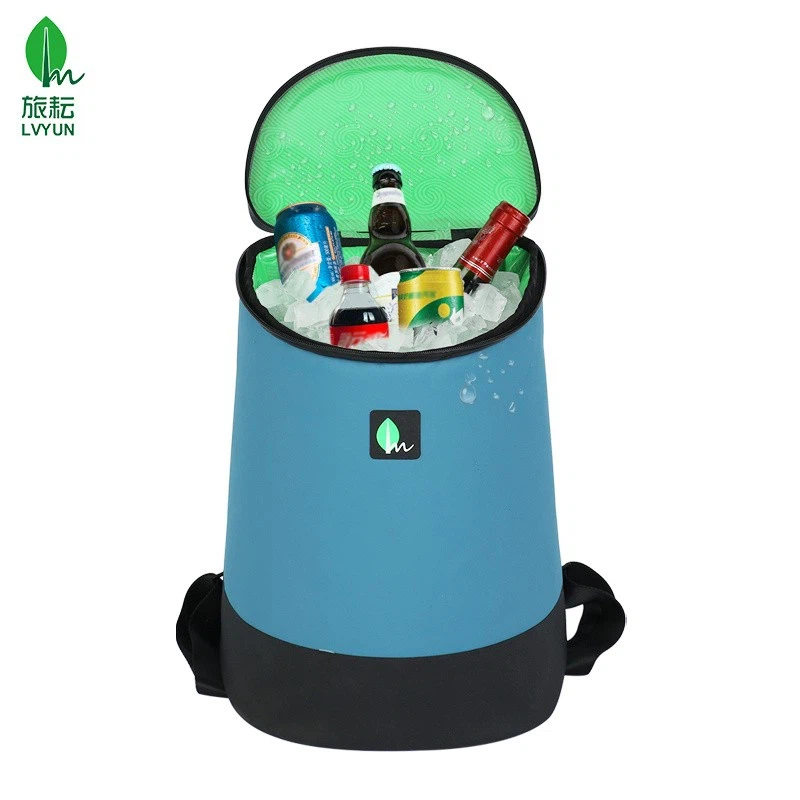
How Long Does a Cooler Bag Stay Cold?
A cooler bag is a portable insulated container designed to slow heat transfer and help chilled contents stay cold. It does not produce cold on its own. Ice packs, frozen bottles, or loose ice provide the cooling energy.
The table below gives a practical reference.
| Cooler Bag Type or Condition | Typical Cold-Retention Time |
|---|---|
| Thin insulated lunch bag with an ice pack | 2–6 hours |
| Standard cooler bag with frozen packs | 4–12 hours |
| Well-insulated soft cooler packed correctly | 8–24 hours |
| High-performance cooler under favorable conditions | More than 24 hours may be possible |
These figures are estimates, not guarantees. A bag may still feel cool after the food inside has risen above a safe temperature. Cold-retention time, ice-retention time, and food-safe time are not the same measurement.
For most daily uses, 4 to 12 hours is the most realistic expectation.
What Affects How Long a Cooler Bag Stays Cold?
Cooler bag performance is determined by the complete cooler bag insulation system, not by one material alone.
The insulation layer is the main barrier against heat entering through the walls. Closed-cell foams such as EPE, XPE, EVA, or polyurethane contain small sealed air pockets that slow heat conduction. Thicker and denser foam usually improves cold retention, although it also increases weight and bulk.
The lining and closure also matter. Reflective films may reduce part of the radiant heat entering the bag, while a well-fitted zipper, overlapping lid, or roll-top closure limits warm-air exchange. Poorly sealed seams can reduce the benefit of thick insulation.
Other major factors include:
- The number and size of the ice packs
- The starting temperature of the food and drinks
- The temperature outside the bag
- Direct sunlight
- Empty space inside the bag
- How often the bag is opened
- The bag capacity and size of the opening
Choosing the right capacity also matters. A cooler bag size guide can help match the bag volume to the amount of food, drinks, and cooling material you normally carry.
A thick cooler bag can still warm quickly if it is left in a hot car, packed with room-temperature food, or opened every few minutes.
How Long Does a Cooler Bag Stay Cold in Different Situations?
The same cooler bag can perform very differently in an air-conditioned office and on a hot beach.
Work or School Lunch
A compact lunch bag with one or two frozen packs will usually keep pre-chilled food cold for around 4 to 8 hours. This is normally enough for food packed in the morning and eaten at lunchtime.
Dairy products, meat, eggs, and other perishable foods should be placed close to the ice packs. Refrigerate the bag after arrival when a fridge is available.
Picnic, Beach, or Grocery Shopping
A short grocery run usually requires 2 to 4 hours of protection. Picnics and beach trips often require 4 to 8 hours, depending on the weather.
Direct sunlight can heat the outer fabric quickly. Keep the cooler bag under a table, umbrella, seat, or other shaded area. Use more ice packs than you would for an indoor lunch.
Road Trips and Camping
A well-insulated soft cooler can provide 8 to 24 hours of useful cold retention during road trips or overnight camping. This requires more cooling material, tight packing, and limited opening.
For longer trips, use one cooler for food and another for drinks. The drink bag will be opened more often, while the food bag can remain closed and stable.
The environment matters as much as the bag itself. Longer trips require more ice, fewer openings, and better temperature control.
How to Keep a Cooler Bag Cold for Longer
Pre-cooling is one of the most effective ways to improve cooler bag performance.
Warm food, warm drinks, and a warm bag all consume part of the cooling capacity of the ice packs. Refrigerate the contents in advance and place frozen packs inside the empty bag for 30 to 60 minutes before loading it.
Pack the cooler bag in layers:
- Place frozen packs or block ice at the bottom.
- Add meat, dairy, seafood, and other sensitive foods.
- Place more ice packs around and above them.
- Add drinks and less sensitive items last.
- Fill large gaps with frozen water bottles or extra ice packs.
Do not add hot or room-temperature food. Every item should be cold before it goes into the bag.
For long trips or hot weather, the required amount of ice may be much higher than for a normal lunch. This guide explains how much ice to use for a cooler under different conditions.
Keep the bag closed as much as possible. Decide what you need before opening it, take the items out quickly, and close the zipper or lid immediately. Avoid placing the bag on hot metal, inside a closed vehicle, or in direct sun.
Good packing habits can add several useful hours without changing the cooler bag itself.
Which Type of Ice Works Best in a Cooler Bag?
Different cooling materials suit different applications.
| Cooling Method | Main Advantage | Best Use |
|---|---|---|
| Reusable gel packs | Clean and easy to position | Lunch bags, commuting, delivery |
| Hard-shell freezer packs | Durable and stackable | Daily and commercial use |
| Block ice | Melts slowly | Road trips and camping |
| Cubed ice | Cools quickly and surrounds containers | Drinks and short outings |
| Frozen water bottles | No loose meltwater and drinkable later | Picnics and travel |
| Dry ice | Extremely low temperature | Specialized use only |
Gel packs are convenient, but they are not automatically more powerful than water ice. Cooling performance depends on total mass, starting temperature, formulation, and contact with the contents.
Block ice normally melts more slowly than cubes because it has less exposed surface area for the same volume. Cubed ice cools beverages faster but creates more meltwater.
Dry ice requires gloves, ventilation, and a container that is not airtight. It can damage materials that are not designed for extremely low temperatures.
The best cooling method is the one that matches the trip length, bag design, and food-safety requirement.
How Long Is Food Safe in a Cooler Bag?
Food-safe time is the period during which perishable food remains at a safe temperature, usually 40°F or 4°C or below.
Food can still feel cool after it has entered an unsafe temperature range. Do not judge meat, dairy, seafood, cooked food, or egg-based products by touch alone.
Use a food thermometer when safety matters. This is especially important during hot-weather travel, catering, delivery, camping, and full-day outdoor events.
Raw meat, poultry, and seafood should be stored in sealed, leak-resistant containers. Keep them at the bottom of the bag so that any accidental leakage cannot contaminate other foods.
A cooler bag is suitable for short-term transport and temporary storage. It should not be treated as a permanent replacement for refrigeration.
Temperature is the final test. Time estimates are useful, but they cannot confirm food safety on their own.
FAQ About Cooler Bag Cold Retention
How Long Does a Cooler Bag Stay Cold Without Ice?
Without ice packs or another cold source, a cooler bag only slows the warming of food that is already chilled. It may be suitable for a short trip, but it should not be relied on to keep perishable food safe for several hours.
Can a Cooler Bag Keep Food Cold All Day?
Some well-insulated cooler bags can keep food cold for a full workday when they are pre-cooled and packed with enough frozen packs. Thin lunch bags may not last that long, especially in hot conditions.
Should You Drain Melted Ice Water?
Cold meltwater can continue to cool sealed containers. It does not always need to be drained immediately. Remove it when it creates leakage, hygiene, weight, or handling problems.
Do Thicker Cooler Bags Stay Cold Longer?
Usually, yes. Thicker foam slows heat transfer more effectively, but foam density, closure design, seams, ice quantity, and external temperature also affect the final result.
Final Answer
A standard cooler bag with frozen packs will usually keep pre-chilled contents cold for around 4 to 12 hours. Thin lunch bags may last 2 to 6 hours, while well-insulated soft coolers can often reach 8 to 24 hours. High heat, direct sunlight, insufficient ice, and frequent opening will shorten that time.
FENGLINWAN develops custom cooler bags with insulation, lining, closure, seam, capacity, and carrying structure selected for the target application. As an experienced cooler bag manufacturer, we support lunch, delivery, outdoor, promotional, and wholesale cooler bag projects. Contact us to discuss your design and cold-retention requirements.