

How to choose a waterproof backpack: 2025 Latest Buying Guide
Apr 14, 2025
Leave a message
As people become more and more interested in outdoor sports and outdoor adventures, a high-quality outdoor waterproof backpack has become a necessary equipment for many people's outdoor adventures. Whether you're preparing for a multi-day hiking adventure, biking through city streets in the rainy season, or simply toting a laptop and essential gear to work, waterproof backpacks have become a necessity for many people. However, with the continuous development of waterproof backpacks, from materials, backpack design to waterproof performance, etc., different brands of waterproof backpacks almost have different characteristics, and even some waterproof brands can be fine to design waterproof backpacks for different application scenarios or use needs. This often leads to users not knowing how to choose the right waterproof backpack.
In order to help you understand how to choose the right waterproof backpack, I will explain the knowledge of waterproof backpack in all aspects to help you make a choice.
Understand the Difference: Waterproof vs Water-Resistant vs Water-Repellent
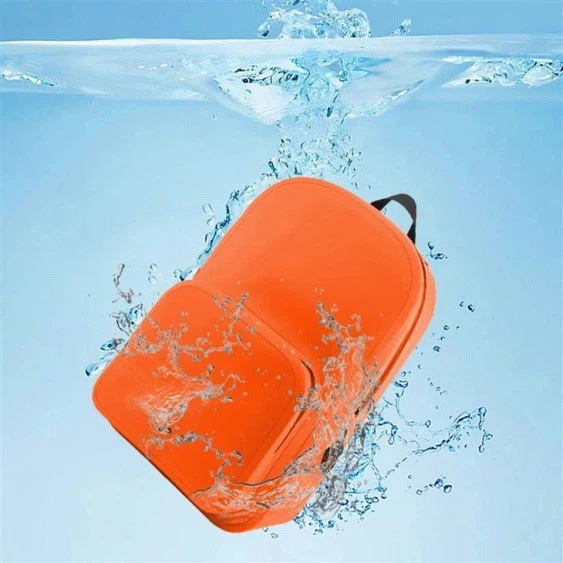
Let's begin by clearing up a common misconception. A water-resistant backpack can withstand light rain or splashes but is not designed to handle prolonged exposure to water. Water-repellent materials, such as those treated with durable water repellent (DWR) coatings, offer an added layer of protection by making water bead and roll off the fabric. However, this coating wears off over time and needs maintenance.
In contrast, a true waterproof backpack is made using specialized materials (like TPU-laminated fabrics, PVC-coated nylon) and advanced sealing techniques that prevent water ingress entirely-even during heavy rainfall or submersion. Backpacks with an IPX7 or IPX8 rating can even withstand full immersion for a limited time, making them ideal for activities like kayaking, river trekking, or working in extreme environments.
When shopping for a waterproof backpack, look for:
- Material-based waterproofing (not just surface coatings)
- Sealed seams and waterproof zippers
- Clearly defined IPX ratings
In short, not all waterproof backpacks are created equal-and understanding this distinction is your first step to making an informed purchase.
Key Factors to Consider When Choosing a Waterproof Backpack
When selecting the best waterproof backpack, it's essential to evaluate the product from multiple angles-not just the fabric or price. Below are six critical factors that determine performance, longevity, and user experience.
1. Material: What Makes a Backpack Truly Waterproof?
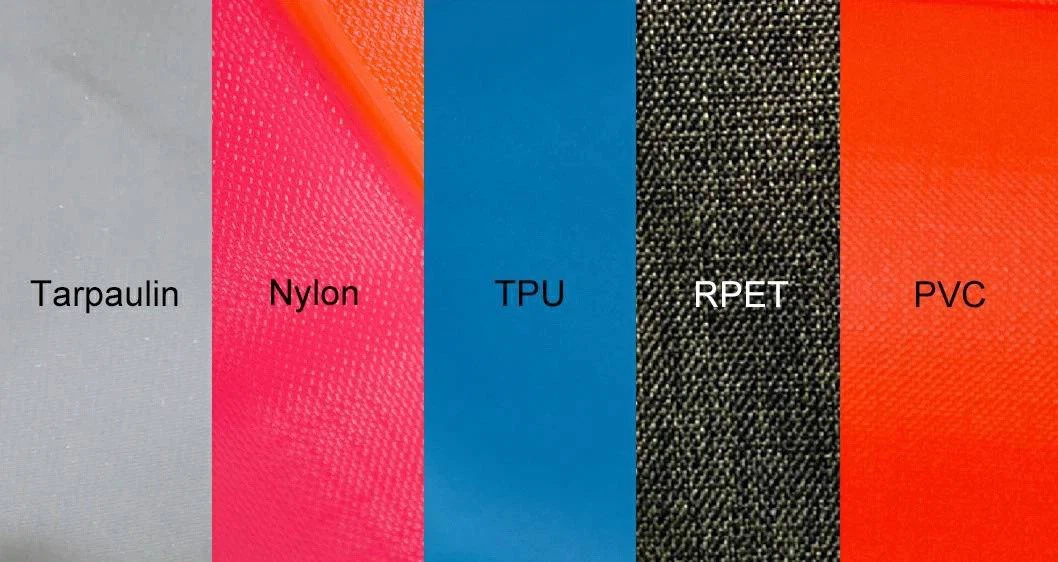
The foundation of any durable waterproof backpack lies in its material composition. While polyester is lightweight and relatively water-resistant, it's not ideal for demanding weather conditions. Nylon, especially high-denier nylon, offers better abrasion resistance and flexibility but still needs coatings to repel water effectively.
Advanced materials like PVC-coated nylon or TPU-laminated fabrics provide significantly higher levels of waterproofing. These are commonly used in dry bags, rescue packs, and military-grade backpacks. TPU (thermoplastic polyurethane) is particularly valued for being flexible, lightweight, and eco-friendlier than PVC.
For buyers wondering what material is best for waterproof backpacks , the answer depends on use case. For urban commuting, DWR-coated nylon may suffice. For rugged backcountry use, laminated or coated technical fabrics are a must.
2. Closure Type: Why Roll-Top Designs Are So Effective
If there's one feature that truly distinguishes a roll-top waterproof backpack , it's the closure system. Unlike conventional zippered tops, roll-top closures eliminate the most common failure point: the zipper. By rolling the opening tightly and securing it with side or top buckles, you effectively create a water-tight seal that resists both rain and submersion.
Roll-top waterproof bag also has a large capacity, perfect for hiking or daily commuting. While some may find them slightly slower to access, their performance in wet environments far outweighs the tradeoff.
3. Zippers and Stitching: Don't Overlook the Weakest Points
Even if the fabric is waterproof, water can still seep in through the zippers or seams. This is why premium backpacks use specialized zippers like YKK Aquaguard (suitable for splash resistance) or YKK Aquaseal (fully waterproof, airtight). The latter is commonly used in diving gear and rescue bags.
Similarly, stitching methods matter. Standard needle stitching creates tiny holes, which-even when backed by tape-can be entry points for moisture. Look for packs with welded seams , high-frequency heat sealing, or taped reinforcement, especially if you expect heavy rain or immersion.
4. Backpack Capacity: Match Your Gear with Your Goals
Not all adventures require the same gear, and your backpack's capacity should reflect your intended use.
15–25L: Ideal for daily commuting or short city travel
30–50L: Perfect for weekend trips or minimalist outdoor use
50–75L+: Best for multi-day treks or gear-heavy outdoor adventures
Buying too large can lead to wasted space and unbalanced weight; too small, and you'll find yourself leaving essentials behind. Consider not just volume, but how well the pack holds its shape and balances when fully loaded.
5. Comfort and Fit: It's Not Just About the Rain
A truly reliable waterproof backpack must be comfortable over long durations, especially when loaded. This depends on three components:
Padded shoulder straps that contour to your upper body
Adjustable waist straps to help distribute the weight
A breathable back panel or suspension system to reduce sweat accumulation
6. Accessibility and Organization: Pockets, Loops, and Smart Layout
Waterproof doesn't have to mean inconvenient. Well-designed backpacks offer quick access to essentials through:
Side pockets for water bottles or snacks
Front mesh compartments for wet clothes or rain covers
Attachment points for gear like trekking poles or helmets
Internal compartments for laptops, tools, or dry bags
A smart layout ensures that items remain easily accessible, even in harsh conditions, without compromising water protection.

Choose the Right Waterproof Backpack for Different Scenarios
Let's now look at how to match specific features to different user needs.
Best Waterproof Backpack for Hiking
For hikers, priorities include lightweight construction, flexible capacity (roll-top closure), and breathability. Look for:
IPX5 or higher waterproof rating
Hydration bladder compatibility
Reinforced base and attachment loops for trekking poles
Waterproof Backpack for Commuting and Business Use
Urban commuters need style, functionality, and protection. Seek out:
Sleek, minimalist design with professional aesthetics
Padded laptop compartment
External USB charging ports (optional)
Hidden anti-theft pockets
Cheap Waterproof Backpack Under $100
For budget-conscious users, there are now multiple excellent options. Look for:
500D PVC or TPU-coated fabric
Heat-welded seams
At least one waterproof zipper
Adjustable chest and waist straps for comfort

How to Test If a Backpack Is Truly Waterproof
Before taking your new pack into the wild or trusting it with expensive gear, it's essential to verify its performance. Many products claim to be waterproof, but marketing language can be misleading. Fortunately, you can run simple yet effective tests at home to confirm whether your bag lives up to the claim.
Visual Inspection
Start by examining the material. A genuine waterproof backpack typically has a laminated or coated interior-often shiny or rubbery-indicating TPU or PVC application. Check for welded seams and waterproof zippers, particularly brands like YKK Aquaseal or Aquaguard. If stitching is exposed and not sealed, the bag is likely only water-resistant.
The Shower Test
Place paper towels, tissue paper, or a dry towel inside the backpack and zip it up. Using a moderate shower stream, spray the bag from different angles for 3–5 minutes, focusing on vulnerable areas such as zippers, seams, and closure systems.
Once complete, open the bag and check the internal materials. Any damp spots near entry points signal failures in waterproofing. This is one of the most straightforward answers to the question: "how to test if a backpack is waterproof."
The Submersion Test (Optional, for High-IPX Gear)
If your backpack claims to meet IPX7 or IPX8 standards, a controlled submersion test is another method. Seal the bag completely, weigh it down with towels or sandbags, and place it in a tub or container of water for 30 minutes. Remove it and inspect the contents-true waterproof packs should be completely dry inside.
These tests not only protect your gear but help ensure that your investment aligns with your expectations. (Learn more "How to Test the waterproof Performance of a waterproof) Backpack "

How to Maintain a Waterproof Backpack: Care Tips for Longevity
Even the best waterproof backpack will degrade over time if not properly maintained. To retain optimal performance-especially for high-grade materials like pvc-coated nylon or TPU-laminated fabrics-routine care is non-negotiable.
Cleaning Instructions
Avoid harsh detergents or machine washing. Instead, use a mild soap or gear cleaner, a soft sponge, and lukewarm water. Gently scrub the exterior and interior, focusing on areas where dirt or oils accumulate, such as shoulder straps and the back panel. After cleaning, hang the bag open in a well-ventilated, shaded area until fully dry. Avoid direct sunlight, as UV exposure can damage waterproof coatings over time.
Reapplying DWR Coating
Many waterproof backpacks rely on durable water repellent (DWR) finishes to repel moisture. Over time, this coating wears off-especially if the backpack is exposed to frequent abrasion, sweat, or detergents. You'll notice water no longer beads on the surface.
To restore this, apply a DWR spray compatible with your backpack's material. For most TPU or nylon packs, standard aftermarket treatments like Nikwax or Granger's are effective. A light, even coat followed by heat activation (if required by the brand) will bring back water-shedding capability.
If you're wondering how to maintain a waterproof backpack for years of reliable use, this regular upkeep is the answer. (Learn more about "How to care for and wash your waterproof backpack ")
Final Thoughts
Choosing the right waterproof backpack involves more than just glancing at the "waterproof" label. You also need to understand the specifications of waterproof backpack materials, sealing design, joint structure and functional design, in order to determine the real performance of the backpack under actual conditions. It is best to communicate clearly with the merchant before payment.
As a waterproof backpack manufacturer, we understand how to make a high-quality waterproof backpack, if you are looking for a high-quality waterproof backpack supplier , or are looking for your own waterproof backpack brand to process the factory for you, please contact us, we will be in the shortest time for you to propose solutions and accurate quotes. ( kathy@flwaaa.com )
